Plant-Based Protein Fine Grinding

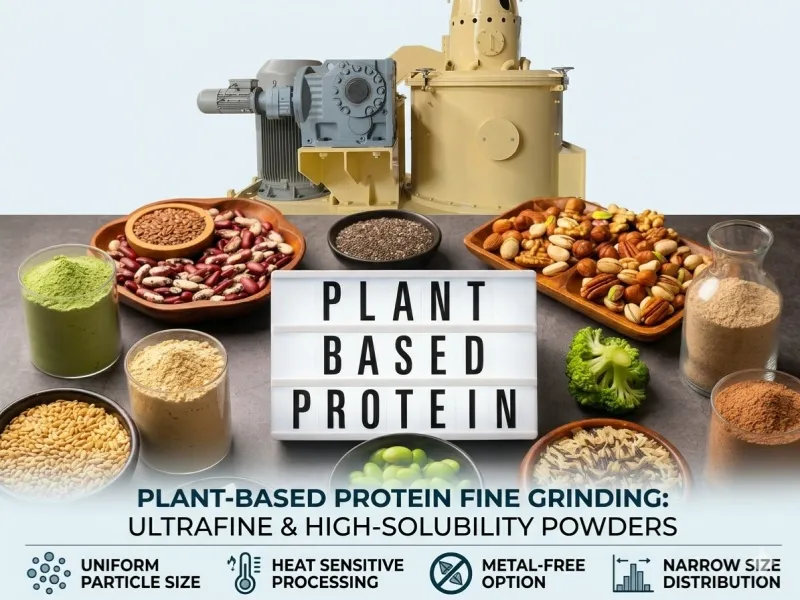
Why Air Classifier Mills are Superior for Plant-Based Protein Fine Grinding?

The global demand for plant-based proteins is surging, driven by health-conscious consumers, sustainability goals, and dietary shifts toward vegan, vegetarian, and flexitarian lifestyles. Peas, faba beans, lentils, chickpeas, rice, hemp, and other legumes and seeds serve as key sources for protein isolates, concentrates, and functional ingredients in meat alternatives, beverages, baked goods, and nutritional supplements. […]

Why Air Classifier Mills are Superior for Plant-Based Protein Fine Grinding? Read More »
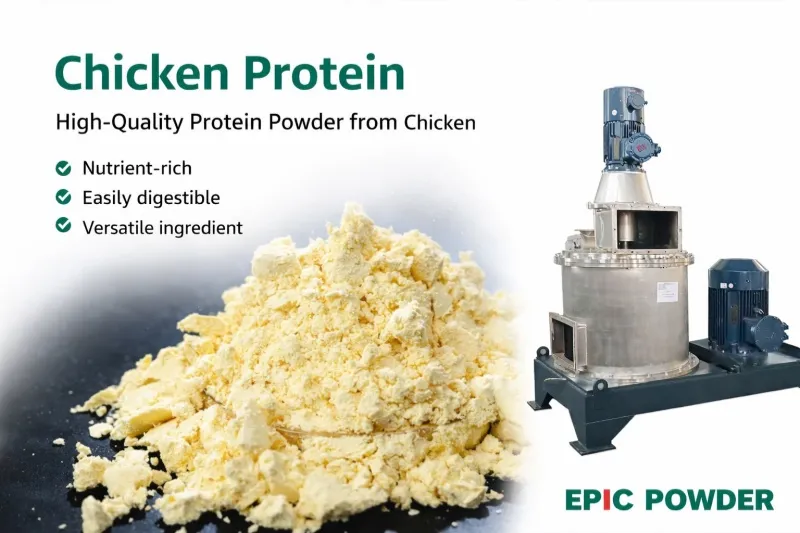
Chicken Protein Ultrafine Grinding Machine

Why is the Air Classifier Mill (ACM) the Preferred Ultrafine Grinding Equipment for High-Fiber Chicken Protein?

In the fields of functional food ingredients, Foods for Special Medical Purposes (FSMP), and high-end pet nutrition, chicken protein has become a high-quality source of animal protein due to its high biological value, balanced amino acid composition, and low fat content. However, dehydrated chicken protein—especially portions containing connective tissue or high-fiber components—possesses extreme toughness and

Why is the Air Classifier Mill (ACM) the Preferred Ultrafine Grinding Equipment for High-Fiber Chicken Protein? Read More »

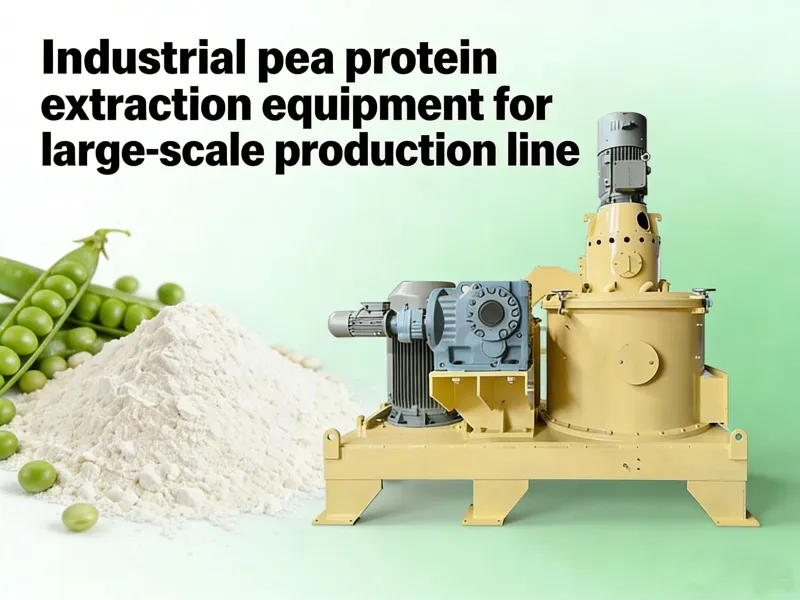
Industrial pea protein extraction equipment for large-scale production line

How Soy Protein Isolate Is Produced from Soybeans: The Role of the Air Classifier Mill (ACM) in High-Yield Processing

Soy Protein Isolate (SPI) is the most refined form of soy protein, containing at least 90% protein on a moisture-free basis. It is a staple in the food industry, used in everything from meat alternatives and dairy-free beverages to nutritional supplements. However, achieving this high concentration of protein while maintaining functional properties—such as solubility, emulsification,

How Soy Protein Isolate Is Produced from Soybeans: The Role of the Air Classifier Mill (ACM) in High-Yield Processing Read More »

air classifier mill 1

Driving the US Green Food Industry: 26 μm Ultra-fine Grinding Production Line for Soy Protein Isolate (SPI)

With the booming “plant-based” diet culture in North America, Soy Protein Isolate (SPI) has become a critical raw material for plant-based meats, energy bars, and sports nutrition products. A prominent large-scale food processing enterprise in the United States sought to enhance the sensory texture of their products and improve mixing uniformity in bakery goods by

Driving the US Green Food Industry: 26 μm Ultra-fine Grinding Production Line for Soy Protein Isolate (SPI) Read More »

Soy Protein Isolate

Why Do You Need Dispersible Soy Protein Isolate After Exercise?

After intense exercise, muscle fibers experience microscopic tears, and the muscle protein synthesis window opens. Supplementing with high-quality protein at this time can significantly accelerate muscle repair, reduce delayed-onset muscle soreness (DOMS), and improve performance in subsequent training sessions. Soy Protein Isolate (SPI), as a plant-based complete protein, stands out with its high purity (protein

Why Do You Need Dispersible Soy Protein Isolate After Exercise? Read More »

Pea Protein vs. Soy Protein

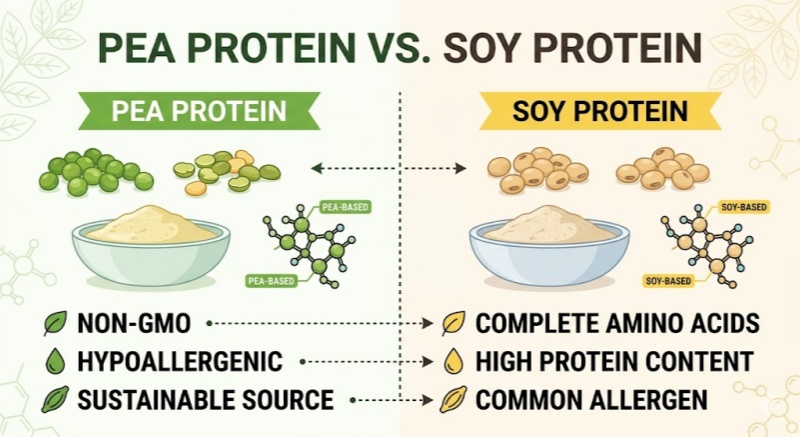
Pea Protein vs. Soy Protein: Key Differences and the Revolution of Air Classifier Mill Technology

With the global rise of plant-based diets, plant proteins have evolved from niche supplements to the core of the food industry. In this movement, soy protein and pea protein stand as the two dominant “titans.” However, efficiently extracting high-purity, functional protein from raw beans remains a significant manufacturing challenge. Pea Protein vs. Soy Protein: A

Pea Protein vs. Soy Protein: Key Differences and the Revolution of Air Classifier Mill Technology Read More »

soy protein isolate air classifier mill

How Epic Powder Empowered an Indian Soy Protein Isolate Project with High-Capacity Air Classifier Mill Technology ?

Project Profile 1. Project Background Plant-based proteins, particularly soy protein isolate, have seen explosive demand globally due to the booming meat-alternative and functional food markets. India, as a massive agricultural hub and a rapidly growing consumer market, has become a strategic base for soy protein processing. In this project, a leading Indian food ingredient manufacturer

How Epic Powder Empowered an Indian Soy Protein Isolate Project with High-Capacity Air Classifier Mill Technology ? Read More »

Ultrafine Grinding for Soy Protein

How Can Air Classifier Mill Technology Optimize the Particle Size Distribution of Pea Protein Isolate?

Pea protein isolate (PPI) is derived from yellow field peas. It is now a leading plant-based protein ingredient. This is driven by strong consumer demand for sustainable, allergen-friendly, and non-GMO alternatives to animal and soy proteins. PPI contains over 80-90% protein and a balanced amino acid profile rich in lysine. Consequently, it is widely used

How Can Air Classifier Mill Technology Optimize the Particle Size Distribution of Pea Protein Isolate? Read More »

Industrial pea protein extraction equipment for large-scale production line

Dry Fractionation vs. Wet Processing: Is an Air Classifier Mill Right for Your Pea Protein?

The global plant-based protein market is undergoing a seismic shift. As consumers move beyond simple meat alternatives into functional beverages, clean-label snacks, and high-performance sports nutrition, the demand for pea protein has skyrocketed. For manufacturers, this gold rush presents a fundamental technical crossroad: How should you extract the protein? Traditionally, the industry relied heavily on

Dry Fractionation vs. Wet Processing: Is an Air Classifier Mill Right for Your Pea Protein? Read More »

air classifier mill in protein powder processing

How to Effectively Improve Soy Protein Isolate (SPI) Yield through Ultrafine Grinding and Air Classification of Defatted Soybeans ?

Soy Protein Isolate (SPI) is currently the highest-purity and most widely used functional plant protein, with a protein content typically ≥90%. It is extensively applied in meat products, dairy alternatives, nutrition bars, sports foods, and plant-based beverages. However, in industrial production, SPI yield (also called recovery) has long stagnated at 75%–88%, with 10%–25% of protein

How to Effectively Improve Soy Protein Isolate (SPI) Yield through Ultrafine Grinding and Air Classification of Defatted Soybeans ? Read More »

Scroll to Top