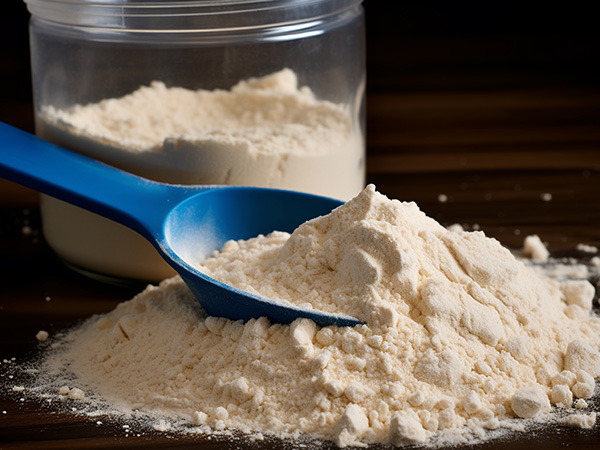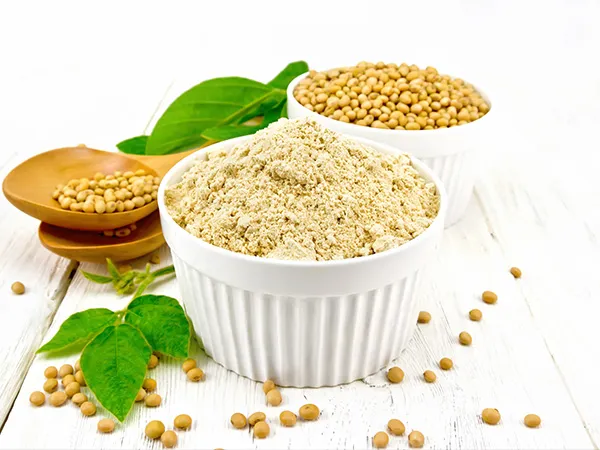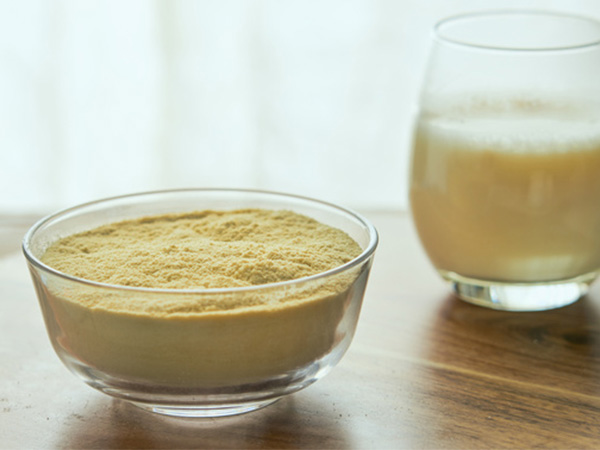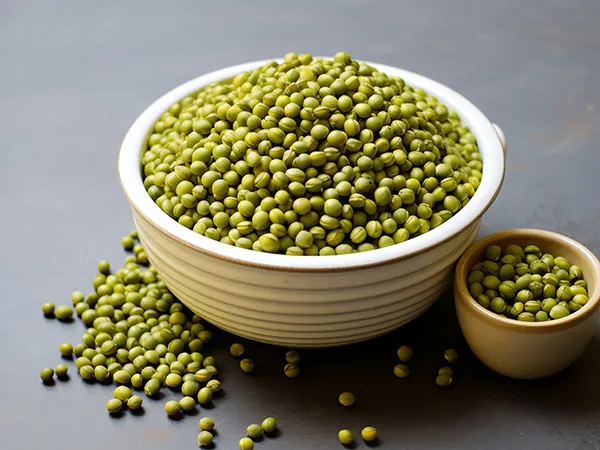
The global plant-based protein market is undergoing a seismic shift. As consumers move beyond simple meat alternatives into functional beverages, clean-label snacks, and high-performance sports nutrition, the demand for pea protein has skyrocketed. For manufacturers, this gold rush presents a fundamental technical crossroad: How should you extract the protein?
Traditionally, the industry relied heavily on Wet Processing to achieve high-purity isolates. However, a “green revolution” is pushing a mechanical alternative to the forefront: pea protein dry fractionation, powered by the Air Classifier Mill (ACM) as part of advanced pea protein extraction equipment.
In this comprehensive guide, we will break down the mechanics, economics, and strategic advantages of both methods to help you determine if an Air Classifier Mill is the right investment for your pea protein production line.
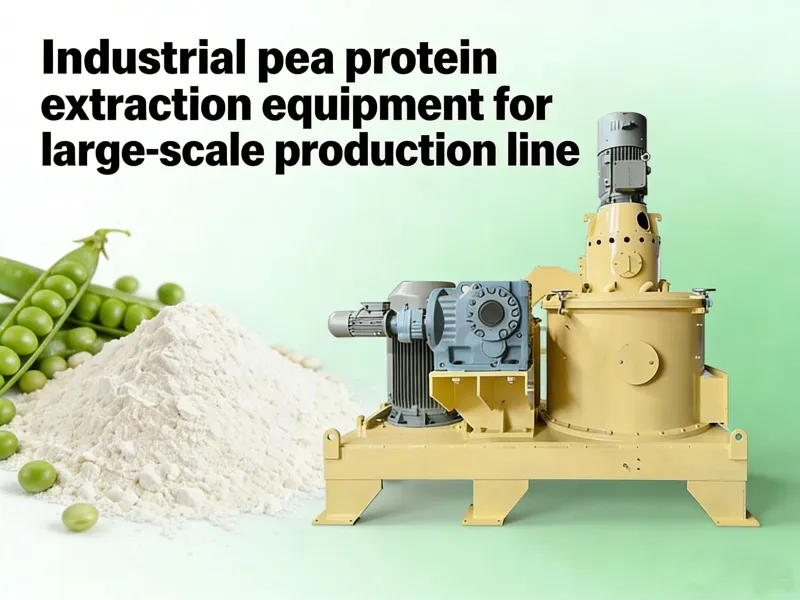
Understanding the Methods: Wet vs. Dry Fractionation for Pea Protein
To choose the right equipment, one must first understand the fundamental science of how a pea is “deconstructed” into its constituent parts: protein, starch, and fiber.
1. Wet Processing (The Chemical Route)
Wet processing is the traditional heavyweight of the industry. It involves a complex series of steps:
- Solubilization: Ground peas are mixed with water and alkaline solutions to dissolve the protein.
- Centrifugation: Mechanical force separates the insoluble fiber and starch from the protein-rich liquid.
- Isoelectric Precipitation: The pH is adjusted (usually with acid) to make the protein precipitate out of the solution.
- Drying: The resulting “slurry” is spray-dried into a fine powder.
The Result: You get Pea Protein Isolate (PPI) with a purity of 90% or higher. It has excellent solubility and a neutral flavor profile.
The Trade-off: The environmental footprint is massive. It requires 10 to 15 tons of water for every ton of protein produced. Furthermore, the energy required for spray drying and the cost of chemical reagents make it an expensive, capital-intensive operation.
2. Dry Fractionation for Pea Protein(The Mechanical Route)
Dry fractionation is an elegant, purely mechanical process. It doesn’t use a single drop of water or a grain of chemical solvent.
- De-hulling: The outer skins are removed.
- Ultra-fine Grinding: The peas are milled into a very specific particle size range.
- Air Classification: A high-speed stream of air separates particles based on their physical properties.
The Result: You produce Pea Protein Concentrate (PPC) with a purity typically ranging from 55% to 65%.
The Advantage: It is a “Clean Label” process. There are no chemicals to wash away, no wastewater to treat, and the protein’s native structure remains 100% intact because it never undergoes high-heat chemical processing.
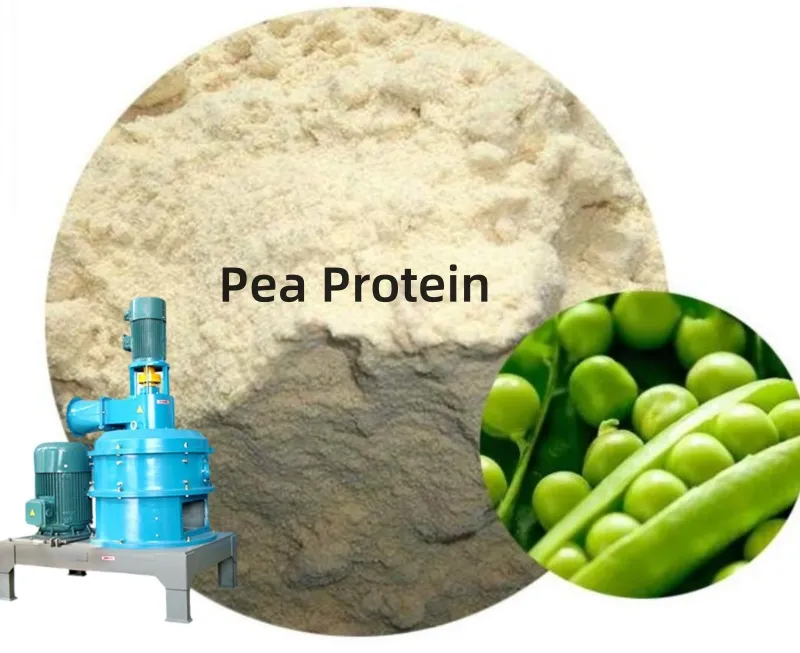
The Heart of the Process: The Air Classifier Mill (ACM)
If dry fractionation is the engine of modern plant-protein production, the Air Classifier Mill (ACM) is its high-performance cylinders. You cannot achieve efficient protein enrichment with a standard hammer mill or a simple crusher.
Step 1: Strategic Ultra-fine Grinding
The biggest challenge in pea processing is that protein and starch granules are physically locked together. In a yellow pea, the starch granules are relatively large (15μm to 40μm), while the protein bodies are much smaller (1μm to 3μm).
The ACM uses high-speed impact to grind the pea flour. The goal is “disaggregation”—breaking the bond between starch and protein without smashing the starch granules themselves. If you over-grind and shatter the starch, it becomes as light as the protein, making air separation impossible. A high-quality ACM allows for precise control over tip speed and air volume, ensuring the perfect “sweet spot” for liberation.
Step 2: Precision Air Classification
This is where the magic happens. Inside the ACM, an integrated horizontal or vertical classifier wheel rotates at high speeds.
- Centrifugal Force: The heavier, denser starch granules are thrown toward the outer wall of the mill.
- Air Drag Force: The lighter, smaller protein particles are “sucked” through the classifier wheel by the airflow.
By adjusting the RPM of the classifier wheel, operators can fine-tune exactly which particles pass through and which are recycled for further grinding. This level of precision allows manufacturers to maximize protein yield from every batch of raw peas.
Head-to-Head Comparison: Which Should You Choose?
| Comparison Feature | Wet Processing (Isolate) | Dry Fractionation (ACM/Concentrate) |
| Final Purity | 85% – 92% | 55% – 65% |
| Energy Consumption | Very High (Heat & Drying) | Low (Mechanical Only) |
| Water Usage | Massive (10-15x yield) | Zero |
| Chemical Additives | Acids & Alkalis used | None (Purely Physical) |
| Functional Properties | High Solubility | High Native Bioactivity |
| By-product Value | Wet starch (low value/hard to dry) | Pure dry starch (high value for paper/food) |
| Capital Investment | $10M – $50M+ | $500k – $2M |
Why Manufacturers are Shifting to ACM Technology
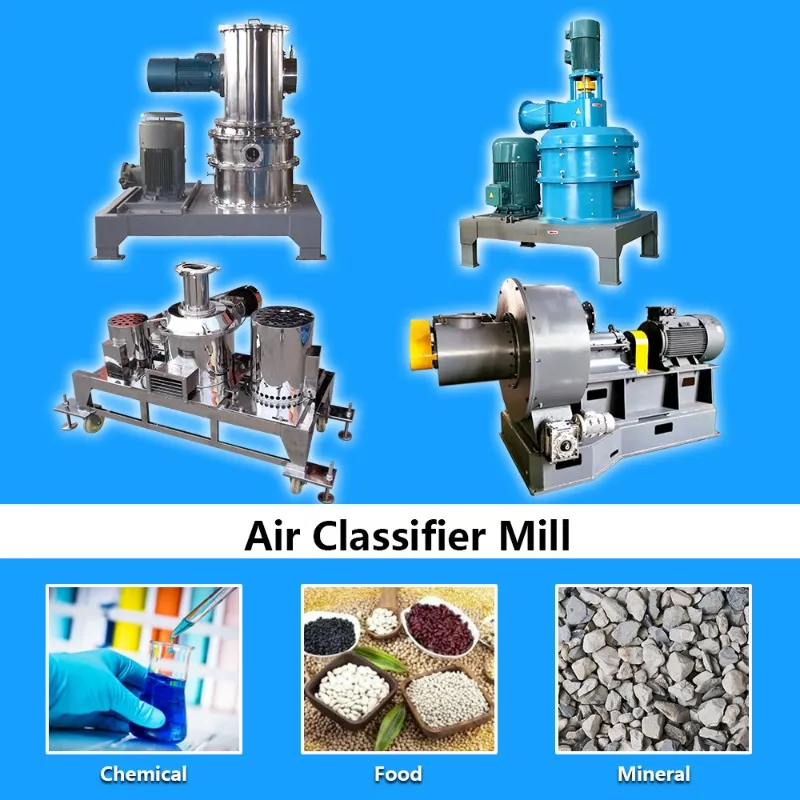
We are seeing a massive surge in orders for Air Classifier Mills specifically for pea and pulse processing. Why now?
1. The “Clean Label” Mandate
Modern consumers read the back of the package. They are increasingly wary of “isolated” proteins that have been treated with hexane or hydrochloric acid. Dry-fractionated pea protein is marketed as a “whole food ingredient,” which commands a premium price in the organic and health-conscious sectors.
2. Drastic Reduction in OPEX
Energy prices are volatile. A wet processing plant’s biggest expense is the spray dryer, which runs 24/7 and consumes vast amounts of natural gas or electricity. An ACM-based dry line reduces energy consumption by up to 80%. For a mid-sized factory, this translates to millions of dollars in annual savings.
3. Sustainability and ESG
Water scarcity is a global crisis. In many regions, getting a permit for a wet processing plant is nearly impossible due to wastewater discharge regulations. Dry fractionation allows you to set up a production facility in a “dry” zone with zero environmental impact, making it the most future-proof investment for a sustainable brand.
Is an Air Classifier Mill Right for You? (The Decision Checklist)
Investing in an ACM system is a strategic move. It is the right choice for your facility if you can check at least three of the following boxes:
- Targeting Mid-Range Purity: You are focused on the “Concentrate” market (55-65% protein) for use in snacks, pasta, meat extenders, or pet food.
- Sustainability Goals: Your company has a mandate to reduce water and carbon footprints.
- Limited Initial Capital: You want to enter the pea protein market without the $20 million price tag of a chemical refinery.
- Premium on Native Functionality: You want to preserve the natural enzymes, vitamins, and flavor of the pea, which are often lost in chemical extraction.
- Valuable By-products: You have a buyer for high-quality, dry pea starch (used in glass manufacturing, paper, and biodegradable plastics).
Conclusion
The choice between wet and dry processing isn’t about which technology is “better”—it’s about which one fits your market strategy. While wet processing remains the king of high-purity isolates for protein shakes, pea protein dry fractionation via Air Classifier Mills (ACM) has emerged as the most profitable, sustainable, and consumer-friendly method for the broader food industry.
The efficiency of your dry fractionation line depends entirely on the precision of your mill. A high-performance ACM doesn’t just grind; it engineers the particle size distribution to ensure every percent of protein is captured.
Ready to future-proof your pea protein production?
The engineering team at EPIC Powder Machinery specializes in custom-designed Air Classifier Mills for the global plant-protein industry. Whether you are processing yellow peas, chickpeas, or fava beans, we provide full-scale material testing to help you achieve the highest possible protein enrichment.
Would you like us to run a trial on your raw material? Contact us today for a technical consultation and a detailed equipment quote.

“Thanks for reading. I hope my article helps. Please leave a comment down below. You may also contact Zelda online customer representative for any further inquiries.”
— Posted by Emily Chen