Understanding ACM Grinder
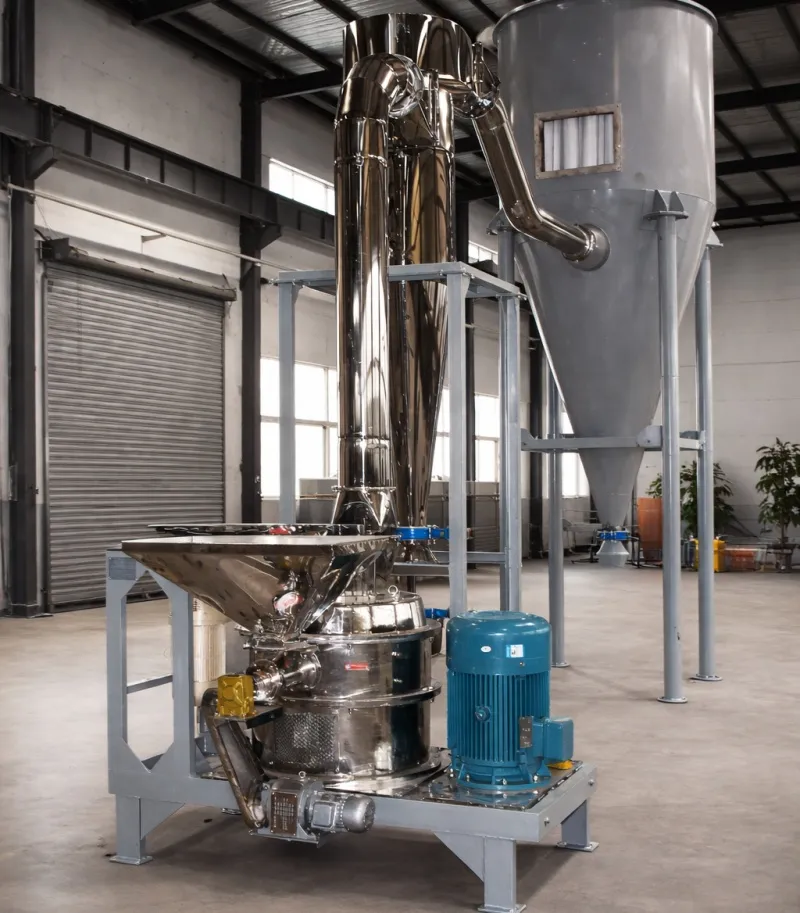
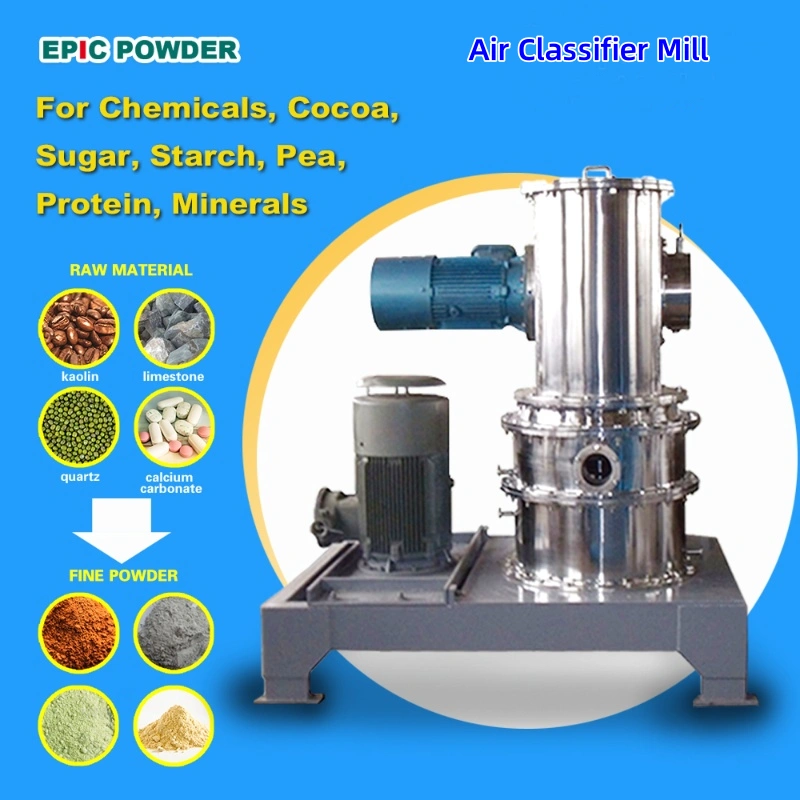
An ACM (Air Classifying Mill) grinder is a highly efficient milling equipment designed to produce fine, uniform powders. It combines impact grinding with dynamic air classification, allowing precise control over particle size. This technology is especially valued in industries requiring high-quality powders, such as food, pharmaceuticals, and nutraceuticals. The ACM grinder’s ability to adjust airflow and classification parameters makes it ideal for processing sensitive materials without compromising their integrity.
What Makes a Material Heat-Sensitive?
Heat-sensitive materials are substances that can degrade or change properties when exposed to excessive heat during processing. These materials often undergo chemical or physical changes, such as denaturation, loss of nutritional value, or altered functionality. Managing temperature during grinding is crucial to preserve the quality and efficacy of heat-sensitive materials, preventing undesirable effects like clumping, discoloration, or nutrient loss.
Overview of Pea Protein as a Heat-Sensitive Material
Pea protein is a popular plant-based protein source used in various food and beverage applications. It is considered heat-sensitive because high temperatures can cause denaturation, reducing its solubility, functional properties, and nutritional value. During milling, maintaining a low and controlled temperature is vital to retain the pea protein’s desirable qualities, such as its emulsification ability and smooth texture.
Why Match Grinder Technology to Material Properties?
Matching the right grinder technology to the specific properties of the material ensures optimal results. For heat-sensitive materials like pea protein, using a grinder that minimizes heat generation is essential. An ACM grinder offers the advantage of controlling temperature through advanced air classification and cooling features. This compatibility helps preserve the material’s nutritional and functional integrity, leading to higher-quality end products and more efficient processing.
Frequently Asked Questions
Question 1: How Does an ACM Grinder Control Heat During Grinding?
An ACM grinder, or air classifier mill, is designed to keep heat in check during the grinding process. It uses air classification to separate fine particles from larger ones, which helps reduce the amount of friction and heat generated. Plus, the system incorporates efficient cooling mechanisms—like high-velocity airflow—that carry away heat as the material is being milled. The design also ensures a short residence time, meaning the pea protein spends less time inside the mill, minimizing the chance of overheating. This combination of features makes the ACM grinder ideal for heat-sensitive materials like pea protein, helping preserve their nutritional and functional qualities. For more details on how to prevent heat damage during grinding, check out this guide on maintaining nutrient quality in pea protein powder.
Question 2: What Happens to Pea Protein If It Overheats During Milling?
If pea protein is overheated during milling, it can undergo denaturation, which means its natural structure gets broken down. This process leads to a loss of functionality, such as reduced solubility and dispersibility, which are crucial for many food applications. Overheating can also cause quality degradation, including changes in taste, texture, and shelf life. Essentially, the heat damages the delicate proteins, making them less effective in formulations and potentially leading to product defects or customer complaints. That’s why using an ACM grinder that controls temperature is so important for maintaining the quality of heat-sensitive materials like pea protein.
.webp)
Benefits of Using an ACM Grinder for Pea Protein
Preserving Nutritional Quality and Functionality
Using an ACM grinder helps keep pea protein’s nutrition intact. Because it controls heat well, it prevents denaturation of sensitive proteins. This means the pea protein retains its functional properties, like solubility and gelation, which are crucial for food applications. Proper grinding ensures the nutrients stay stable, offering a high-quality product for consumers. For more on how ultrafine processing preserves protein quality, check out Pea Protein Powder health benefits and innovations.
Achieving Consistent Particle Size and Flowability
An ACM grinder produces a very uniform, fine powder, which improves flowability and makes handling easier. Consistent particle size means better mixing and solubility in drinks and recipes. This uniformity also helps manufacturers meet product specifications more easily. Properly ground pea protein powders flow smoothly, reducing clumping and enhancing process efficiency. To see how ACM technology influences particle size, visit optimizing particle size distribution of pea protein isolate.
Improving Process Efficiency and Throughput
ACM grinders are designed for high efficiency. They can process large batches quickly while maintaining quality. The airflow and short residence time mean less heat buildup, reducing downtime and increasing output. This makes production more cost-effective and scalable, especially for large-scale pea protein manufacturing. For insights on increasing yield with ACM grinders, see how to increase yield in pea protein powder production.
Enhancing Product Stability and Shelf Life
Because an ACM grinder minimizes heat exposure, it helps keep pea protein stable over time. Reduced heat prevents oxidation and microbial growth, extending shelf life. Stable powders resist clumping and spoilage, ensuring a longer-lasting product with consistent quality. This stability is key for global markets where shelf life and product integrity matter.
Step-by-Step Process for Using an ACM Grinder with Pea Protein
Step 1: Characterize the Pea Protein and Define Product Specifications
Start by understanding your pea protein’s properties—moisture content, particle size, and desired functionality. Clear specs help set the right parameters for grinding, ensuring the final powder meets your needs for solubility, flowability, and stability. Knowing these details also guides the choice of the right ACM grinder settings.
Step 2: Configure the ACM Grinder (Speed, Airflow, and Classification Settings)
Set the grinder’s speed and airflow based on your pea protein’s characteristics. The air classifier plays a big role in controlling particle size and preventing overheating. Proper configuration ensures you get a fine, uniform powder without damaging the heat-sensitive protein. For more on how to choose the right grinding mill, check this guide on how to select the right mill for pea protein.
Step 3: Implement Temperature Monitoring and Control
Since pea protein is heat-sensitive, it’s crucial to monitor temperature during grinding. Use sensors and cooling systems integrated into the ACM grinder to keep the temperature low. This prevents denaturation and preserves the protein’s functional qualities, which are vital for high-quality end products.
Step 4: Optimize Feed Rate and Recirculation Strategy
Adjust the feed rate to balance throughput and heat generation. Slower feeding reduces heat buildup, protecting the pea protein. Recirculating material through the grinder can also help achieve consistent particle size while avoiding overheating. Fine-tuning these parameters improves efficiency and product quality.
Step 5: Validate Particle Size Distribution and Functional Properties
After grinding, test the powder to ensure it has the right particle size and flow properties. This step confirms that your process produces a pea protein powder that dissolves well and maintains its nutritional and functional qualities. Regular testing helps catch issues early and keeps your process consistent.
Step 6: Establish Standard Operating Procedures and Quality Checks
Create clear SOPs for the entire process, including setup, operation, and maintenance. Regular quality checks on particle size, temperature, and protein integrity ensure ongoing product quality. Proper documentation and procedures make scaling up easier and help maintain compliance with industry standards.
Using this step-by-step approach, you can effectively use an ACM grinder to produce high-quality, heat-sensitive pea protein powders that meet your specific needs.
Practical Results You Can Expect
Result 1: Fine, Uniform Pea Protein Powders for Improved Mouthfeel
Using an ACM grinder for pea protein ensures you get a consistent, fine powder. This uniformity makes the final product smoother and more pleasant to the tongue, which is especially important in food and beverage applications. When the particle size is controlled properly, you’ll notice better mouthfeel and overall product quality. This is a key advantage over traditional milling methods, which can produce uneven particles and compromise texture.
Result 2: Better Solubility and Dispersibility in Beverages and Formulations
A well-milled pea protein powder from an ACM grinder dissolves more easily in liquids. This improved dispersibility means your products mix smoothly without clumping, leading to better drinkability and consistency. For manufacturers, this translates into more reliable formulations and satisfied consumers. Plus, controlling particle size helps maintain functional properties like solubility, which are crucial for plant-based drinks and protein shakes. Check out how air classifier mills are preferred for pea protein powder production here.
Result 3: Reduced Risk of Quality Claims Due to Overheating or Denaturation
Heat-sensitive materials like pea protein can easily lose their functionality if overheated during milling. An ACM grinder’s design minimizes heat buildup through air classification and efficient cooling, preserving the protein’s natural qualities. This means your pea protein retains its nutritional value, functional properties, and shelf stability. It also lowers the chance of customer complaints related to product quality issues caused by denaturation or degradation. Using the right grinding technology helps you deliver a high-quality, stable product every time.

“Thanks for reading. I hope my article helps. Please leave a comment down below. You may also contact Zelda online customer representative for any further inquiries.”
— Posted by Emily Chen