January 2026

air classifier mill (ACM)

How Do You Choose Between a Jet Mill and an ACM for Defatted Soybean Pulverization?

Defatted soybean, as a high-protein and low-fat plant-based raw material, is widely used in the food industry. With the growing consumer demand for healthy foods, ultrafine pulverization technology for defatted soybean has become a critical processing step. Market demand is mainly concentrated in the areas of meal replacement powders, baking auxiliaries, and pre-treatment for soy […]

How Do You Choose Between a Jet Mill and an ACM for Defatted Soybean Pulverization? Read More »
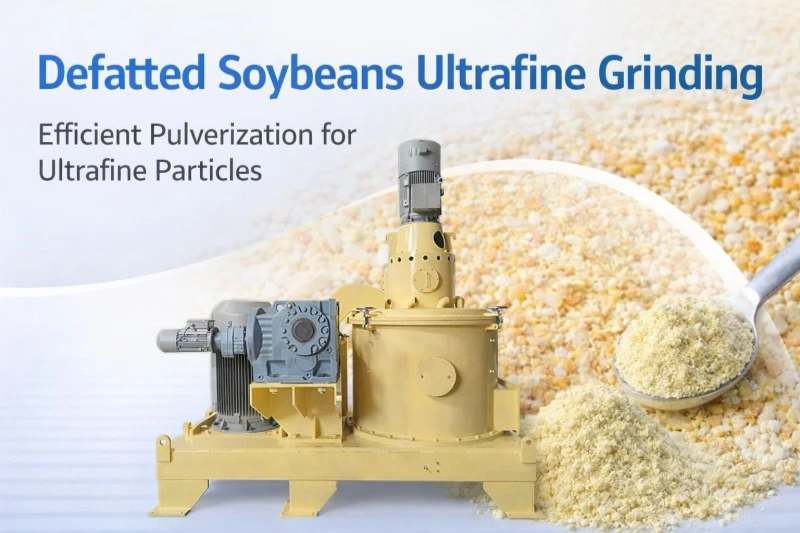
Defatted Soybeans Ultrafine Grinding

How Can Heat Damage be Prevented During Defatted Soybeans Ultrafine Grinding ?

Critical FAQs: Addressing Heat and Consistency in Defatted Soybeans Ultrafine Grinding Why Is Temperature Control Critical During Soy Grinding? When grinding defatted soybeans for applications like soy protein isolate processing or defatted soy flour production, temperature control is non-negotiable. Here’s why: In : Without robust temperature control, you risk damaging valuable protein fractions, compromising both

How Can Heat Damage be Prevented During Defatted Soybeans Ultrafine Grinding ? Read More »

Soy Protein Ultrafine Grinding Machine

How Does Soy Protein Ultrafine Grinding Technology Achieve a Smooth 20-micron Powder?

Why Particle Size Matters in Soy Protein Ultrafine Grinding? When working with soy protein isolate (SPI), particle size is more than just a number—it directly influences functionality, sensory appeal, and nutritional benefits. Sensory Perception: Smooth Texture Wins The human palate is surprisingly sensitive to texture. Research shows there’s a biological threshold for roughness detection around

How Does Soy Protein Ultrafine Grinding Technology Achieve a Smooth 20-micron Powder? Read More »

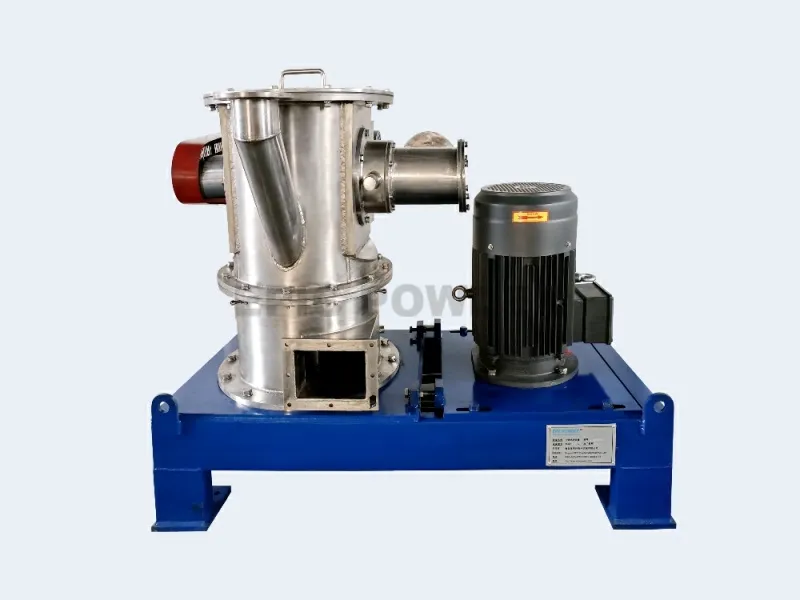
Air classifier mill MJW350

Why Air Classifying Mills (ACM) are Superior for Soy Protein Isolate Grinding ?

Soy protein isolate (SPI) is a highly refined plant-based protein product containing ≥90% protein on a dry basis. It is widely used in food applications such as meat analogs, nutritional beverages, infant formula, bakery products, and high-protein snacks due to its excellent emulsification, gelation, solubility, and nutritional profile (high PDCAAS score, complete amino acid profile).

Why Air Classifying Mills (ACM) are Superior for Soy Protein Isolate Grinding ? Read More »

Ultrafine Black Soybean Powder Grinding

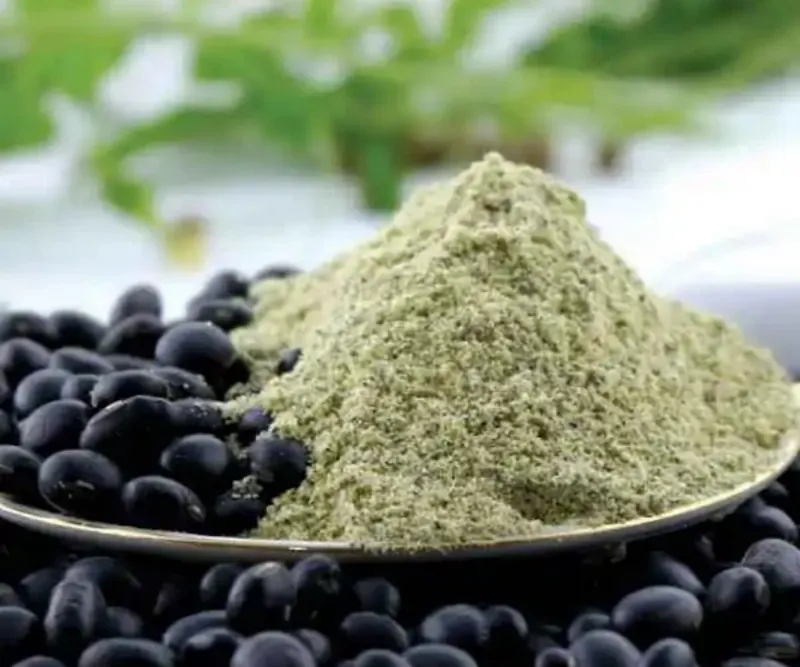
How Do Air Classifier Mills Achieve the Perfect Particle Size for Ultrafine Black Soybean Powder?

With the rapid growth of plant-based proteins, functional foods, and premium instant powder products, ultrafine black soybean powder—with D90 ≤ 10 μm or even D98 ≤ 8 μm—has become a key differentiation point for many brands. To produce this level of fineness stably, efficiently, and cost-effectively, the Air Classifier Mill (ACM) has emerged as the

How Do Air Classifier Mills Achieve the Perfect Particle Size for Ultrafine Black Soybean Powder? Read More »

air classifier mill for corn flour

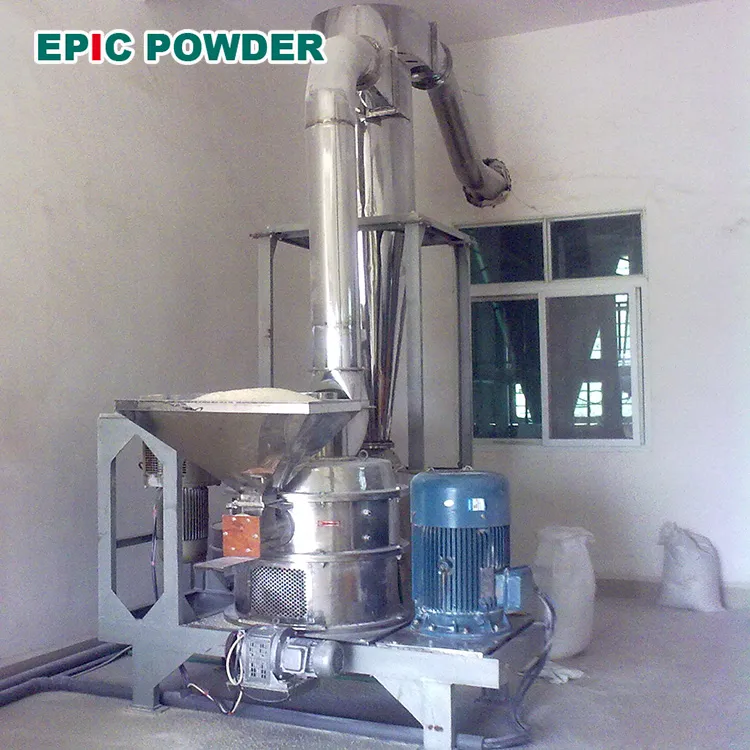
High-Efficiency Food-Grade Grinding Solution: Malaysian Customer Introduces Epic Powder Air Classifier Mill for Precise Corn Flour Processing (200–300 μm)

As an important food-processing hub in Southeast Asia, Malaysia enforces strict quality standards for corn flour. This Malaysian customer, a food ingredient supplier, faced the following production challenges: Efficiency requirements: While maintaining a throughput of 500–1000 kg/h, the finished product needed to be precisely controlled within the 200–300 μm range (approximately 50–80 mesh). Particle size

High-Efficiency Food-Grade Grinding Solution: Malaysian Customer Introduces Epic Powder Air Classifier Mill for Precise Corn Flour Processing (200–300 μm) Read More »

ultrafine fish meal

Can an Air Classifier Mill (ACM) Stably Achieve Ultrafine Fish Meal with D50 ≤ 50 μm?

Fish meal is a high-protein feed ingredient widely used in aquaculture and livestock feed. It offers high nutritional value, but conventional fish meal is relatively coarse (typically D50 above 100–500 μm), which limits digestibility and absorption efficiency. By applying ultrafine grinding technology to produce superfine fish meal, its digestibility, solubility, and bioavailability can be significantly

Can an Air Classifier Mill (ACM) Stably Achieve Ultrafine Fish Meal with D50 ≤ 50 μm? Read More »

ACM for ultrafine grinding of starch

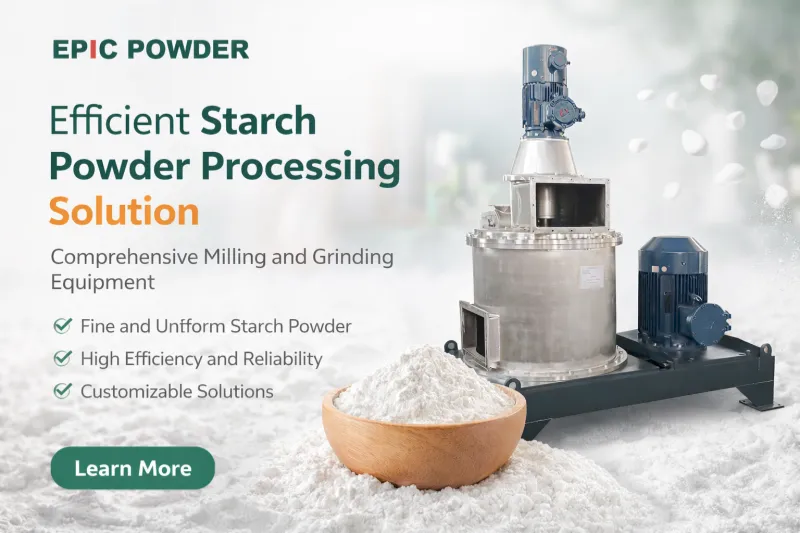
How to Achieve Efficient Ultrafine Grinding of Starch Using an Air Classifier Mill ?

Starch is an important raw material for both food and industrial applications. It is widely used in pharmaceuticals, food processing, textiles, and other fields. With continuous technological advancement, requirements for starch particle fineness are becoming increasingly stringent. This trend has led to the rapid development of ultrafine grinding technology. Ultrafine grinding reduces materials to the

How to Achieve Efficient Ultrafine Grinding of Starch Using an Air Classifier Mill ? Read More »

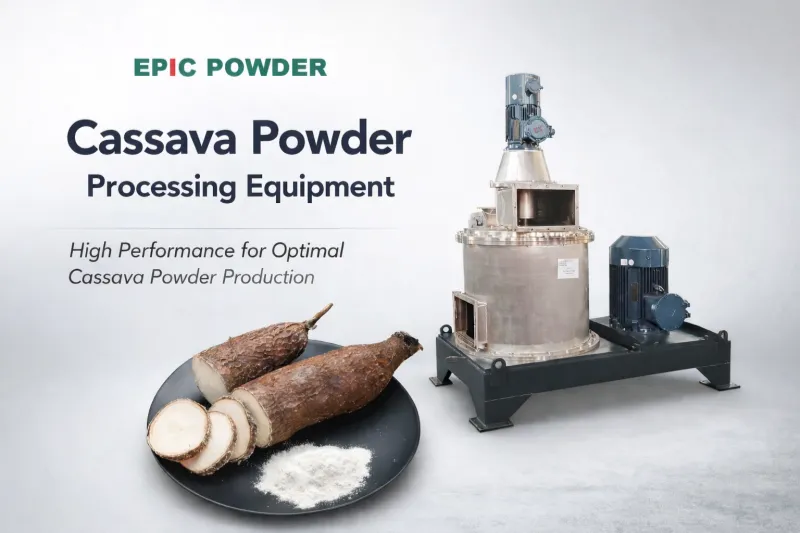
cassava powder grinding equipment

Why Is the Air Classifier Mill the Key Technology for Achieving a “Zero Grainy Texture” in Cassava Powder?

In modern food processing, cassava powder is an important carbohydrate-based ingredient and is widely used in baking, desserts, glass noodles, mochi, taro balls, and many other products. Its distinctive chewy (Q-elastic) texture and high transparency are highly favored by consumers. However, many people notice a slight “grainy” or gritty sensation when eating cassava-based products, which

Why Is the Air Classifier Mill the Key Technology for Achieving a “Zero Grainy Texture” in Cassava Powder? Read More »

Scroll to Top