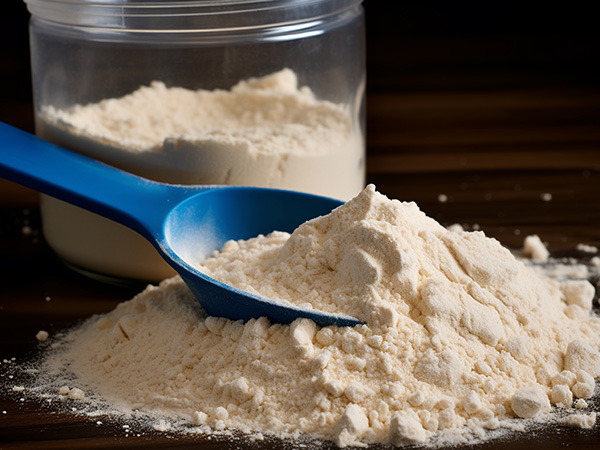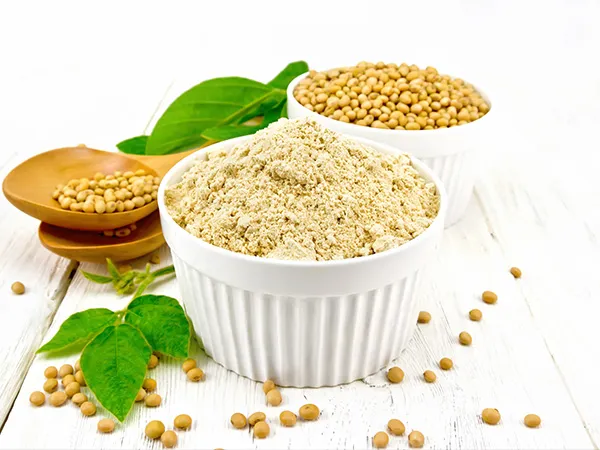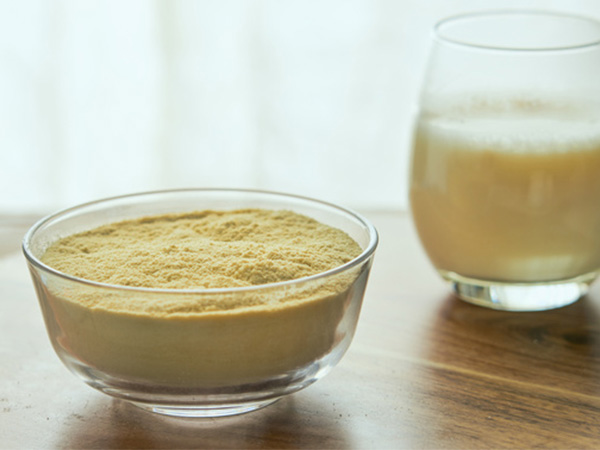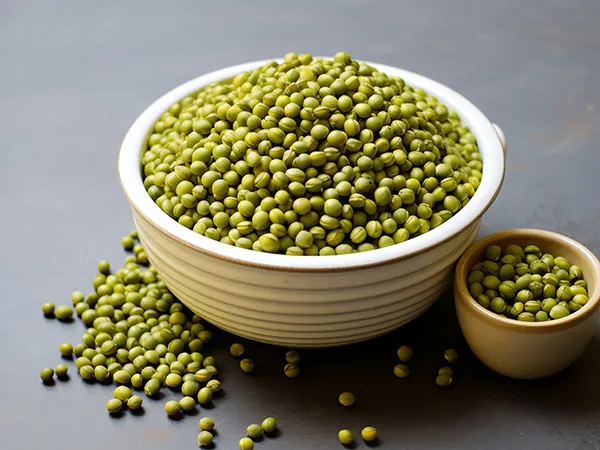
In today’s rapidly growing markets for plant-based foods, plant-based meat alternatives, and sports nutrition powders, pea protein has become one of the most sought-after ingredients worldwide. This is due to its low allergenicity, non-GMO status, and excellent amino acid profile.
However, during the extraction and deep processing of pea protein, milling and grinding are critical first steps. They largely determine the quality of the final product. Many processors encounter a frustrating challenge when expanding production capacity. Despite investing in high-capacity industrial grinding equipment, the resulting pea flour or isolated protein often exhibits reduced solubility. It may also show poorer foaming properties and weakened gel water-holding capacity.
The main culprit behind these quality issues is protein denaturation during the grinding process. Therefore, when selecting an industrial Pea Grinder, which machine design can effectively eliminate this processing challenge? This article provides an in-depth analysis.
Why Does the Grinding Process Cause Pea Protein Denaturation?
Proteins are complex three-dimensional folded structures composed of amino acid chains. These structures are highly sensitive to temperature, shear forces, and localized pressure.
During industrial grinding, mechanical energy is converted into particle size reduction energy, but a significant portion is inevitably transformed into heat.
Temperature Rise Effect
Conventional grinders such as hammer mills and high-speed impact mills can easily generate internal chamber temperatures of 60°C to 80°C or even higher during continuous operation.
Pea proteins such as vicilin and legumin begin to experience hydrogen bond disruption when temperatures exceed approximately 65°C–70°C. Once these bonds break, the protein unfolds and loses its native structure.
High-Shear Damage
Excessive mechanical friction and violent impacts not only generate heat but also directly damage protein molecular chains.
The exposed hydrophobic groups promote irreversible protein aggregation and precipitation, causing a permanent loss of functional properties.
Which Machine Designs Can Effectively Prevent Protein Denaturation?
To achieve micron-level particle sizes (such as D50 = 10–40 μm) while preserving protein functionality, modern industrial Pea Grinder technologies have introduced several innovative design concepts.
The following machine designs are widely recognized as the most effective solutions for preventing protein denaturation.
1. Fluidized Bed Air Jet Mill Design
This is currently regarded as the most suitable ultra-fine grinding design for heat-sensitive materials.
Cooling Expansion Effect (Joule-Thomson Effect)
Unlike traditional grinding systems, an air jet Pea Grinder does not rely on mechanical hammers, pins, or liners.
Instead, multiple streams of compressed air—typically at 0.6–0.8 MPa—are injected into the grinding chamber through specially designed nozzles.
As the compressed air rapidly expands, it absorbs heat and creates a significant cooling effect.
Particle-to-Particle Collision
Pea particles are accelerated to extremely high velocities and collide with each other at the intersection of air streams.
Since there is minimal contact with metal components, frictional heat generation is dramatically reduced, and metal contamination is eliminated.
The grinding chamber temperature can typically be maintained between 20°C and 30°C, effectively preventing thermal protein denaturation.
2. Air Classifier Mill (ACM) with Forced Cooling and Material Circulation
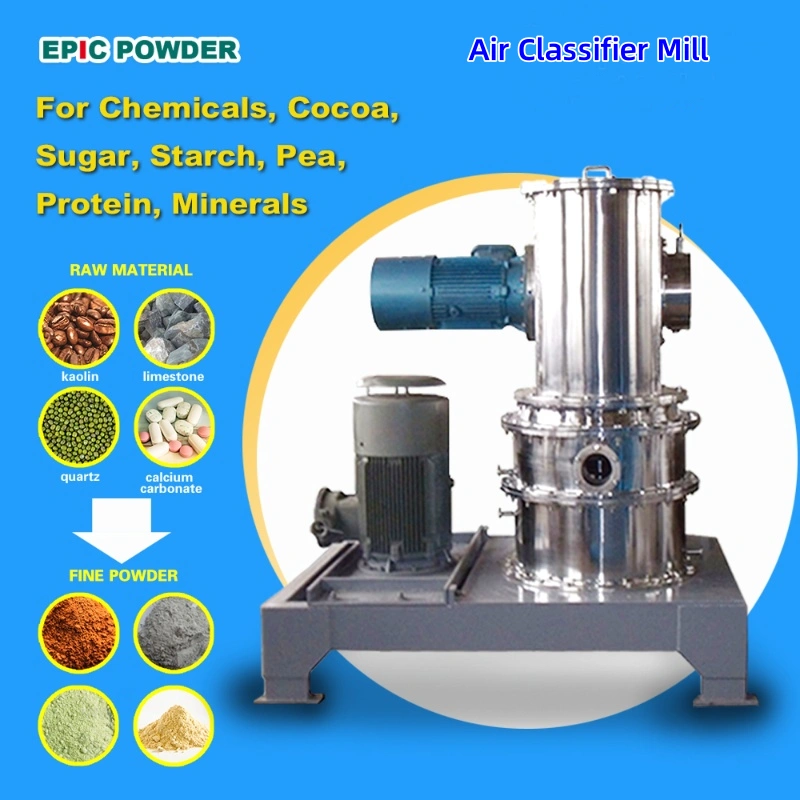
From an energy consumption and economic standpoint, the ACM Pea Grinder is often a more practical industrial solution. However, effective cooling designs are essential.
High Air-to-Material Ratio Design
Advanced ACM systems significantly increase airflow velocity and volume passing through the grinding chamber.
The large airflow serves not only as a conveying medium but also as a powerful cooling mechanism that rapidly removes heat generated during grinding.
Jacket Cooling System
Cooling jackets are installed around the grinding chamber and classifier bearings.
Chilled water at 4°C–10°C circulates through the jackets, continuously removing heat from the equipment and reducing conductive thermal buildup.
3. Low-Speed High-Torque Grinding with Micron-Scale Horizontal Classifier Wheels
Traditional grinding systems often attempt to achieve finer particle sizes simply by increasing rotor speed, causing heat generation to rise dramatically.
Modern Pea Grinder designs instead adopt a strategy combining low grinding speed with highly efficient classification.
By optimizing grinding disc tooth geometry, particles are broken primarily through controlled compression and shearing rather than violent high-speed impacts.
Combined with a precision variable-frequency horizontal classifier wheel, particles are immediately removed once the target size is achieved.
For example, when particles reach approximately 40 μm, they are rapidly extracted from the grinding zone. This minimizes over-grinding and significantly reduces heat exposure time.
Frequently Asked Questions (FAQ)
When planning an industrial pea protein processing line, buyers often face several practical equipment selection questions. Below are detailed answers to two of the most important considerations.
FAQ 1: For Pea Protein Processing, Should You Choose an Air Jet Mill or an ACM Mill? Which Provides Better ROI?
This is one of the most common equipment selection questions. Although both systems can be optimized to minimize protein denaturation, they serve different processing stages and business objectives.
| Comparison Factor | Fluidized Bed Air Jet Mill | ACM Mill |
|---|---|---|
| Protein Protection | Excellent (natural cooling from air expansion) | Very Good (depends on cooling design) |
| Product Fineness | Ultra-fine (D50: 2–15 μm) | Fine powder (D50: 15–75 μm) |
| Energy Consumption | High (requires large air compressors) | Lower (mechanical direct-drive system) |
| Operating Cost | Higher | Lower |
| Best Application | Final ultra-fine modification of pea protein isolate and premium meal replacement powders | Pre-processing of whole peas and fine pea flour before wet extraction |
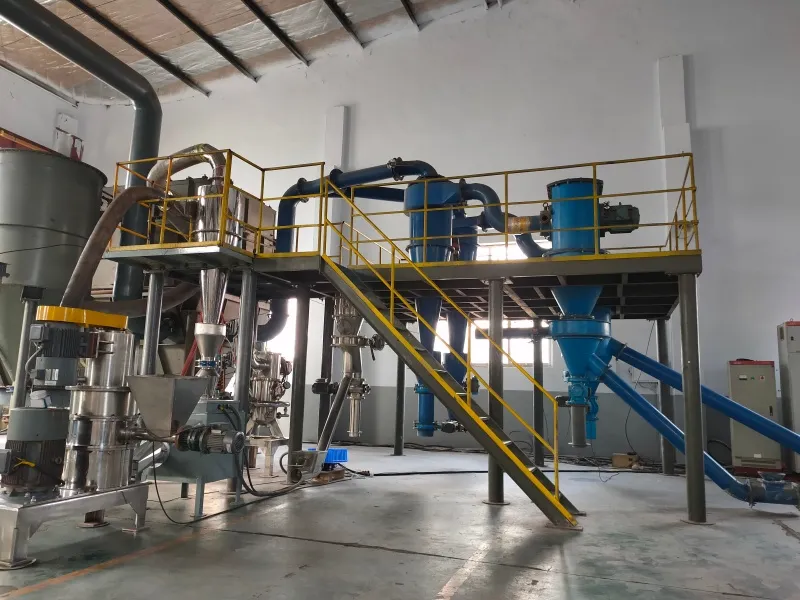
FAQ 2: What Additional Process Controls Help Prevent Protein Denaturation?
Machine design is only one part of the solution. Even the most advanced equipment can underperform if supporting process conditions are poorly controlled. A mature industrial pea grinding line typically incorporates the following auxiliary measures.
Dehumidified Cooling Air Systems
If ambient intake air reaches temperatures above 35°C during summer production, cooling efficiency can be severely reduced. High-end facilities often install Air Handling Units (AHUs) before the grinder inlet. The intake air is cooled to approximately 10°C–15°C and dehumidified. Dry, cool air improves heat removal while reducing moisture-related sticking and buildup inside the grinding chamber.
Multi-Stage Grinding Process
Attempting to reduce whole dried peas directly to 400-mesh powder in a single step inevitably generates excessive heat.
A more effective strategy involves multiple grinding stages:
Stage 1: Use a roller mill or low-speed crusher to dehull and reduce peas to particles of approximately 1–2 mm.
Stage 2: Feed the pre-ground material into an ACM mill or air jet mill for micron-scale grinding and classification.
By distributing the workload across multiple stages, temperature rise can be minimized throughout the process.
Strict Moisture Content Control
Feed moisture should ideally remain within the 8%–12% range. When moisture exceeds 14%, peas become more resilient and require significantly more grinding energy. The resulting increase in frictional heat can lead to material buildup, localized overheating, and severe protein denaturation.
Conclusion and Equipment Selection Recommendations
In modern large-scale plant protein production, competition is no longer based solely on throughput. It increasingly depends on a machine’s ability to preserve the microscopic structure and functionality of valuable ingredients. An excellent industrial Pea Grinder must integrate principles of fluid dynamics, thermodynamics, and precision particle size reduction.
For global buyers evaluating equipment, it is not enough to focus only on production capacity specifications.
Instead, attention should be directed toward the following critical design factors:
- Does the system incorporate highly efficient airflow cooling or jacket cooling structures?
- Can the discharge temperature remain consistently below the critical safety threshold of 50°C during continuous operation exceeding four hours?
- Is the average material retention time inside the grinding chamber sufficiently short?
By selecting an advanced Pea Grinder built around these principles, manufacturers can ensure that their pea protein products retain superior solubility, functionality, and biological activity.
As global demand for plant-based foods continues to accelerate, preserving protein quality through intelligent grinding technology will become a decisive factor in securing a competitive position within the high-value plant protein supply chain.

“Thanks for reading. I hope my article helps. Please leave a comment down below. You may also contact Zelda online customer representative for any further inquiries.”
— Posted by Emily Chen