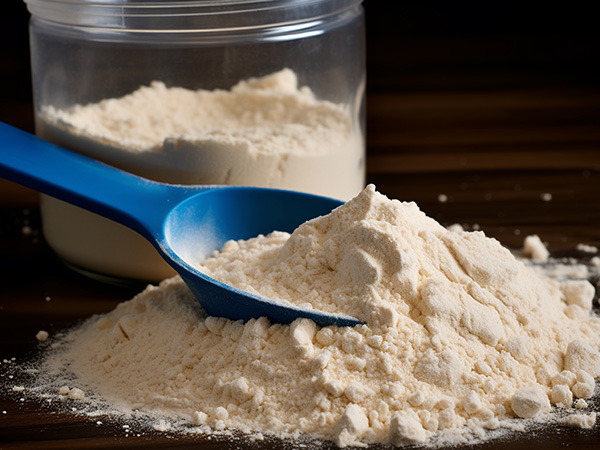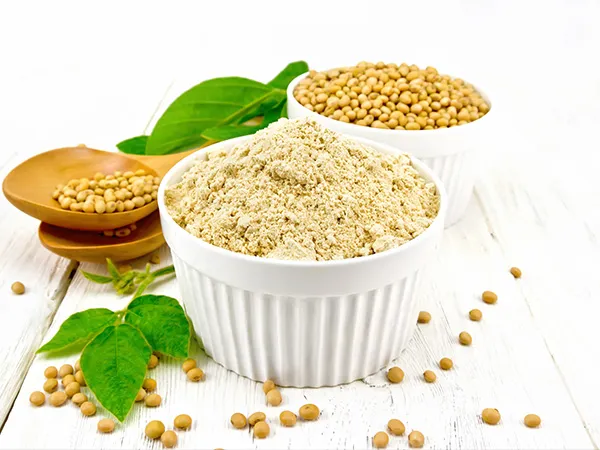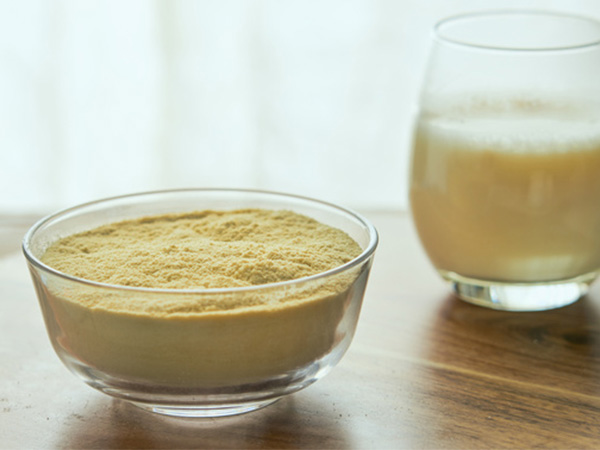
Soy Protein Isolate (SPI) is the most refined form of soy protein, containing at least 90% protein on a moisture-free basis. It is a staple in the food industry, used in everything from meat alternatives and dairy-free beverages to nutritional supplements. However, achieving this high concentration of protein while maintaining functional properties—such as solubility, emulsification, and gelation—requires a sophisticated manufacturing process.
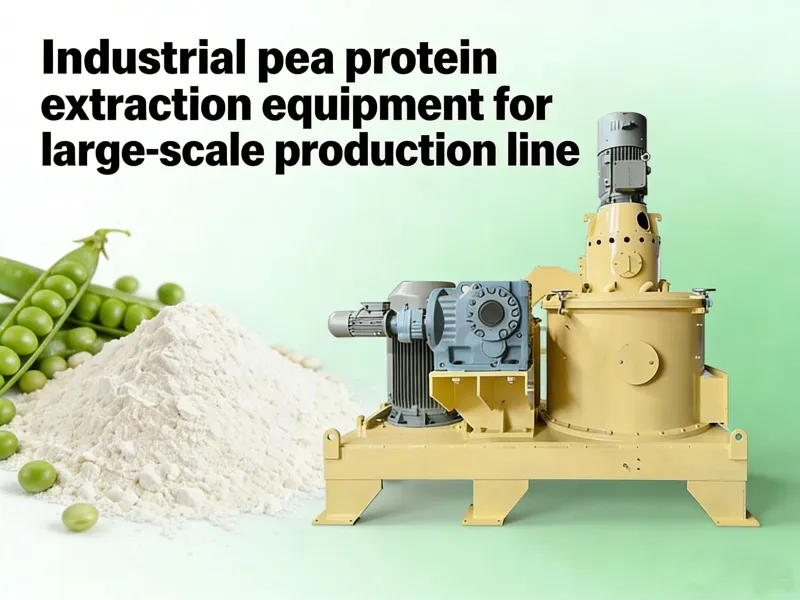
While the core of SPI production involves chemical extraction, the mechanical preparation of the raw material is the foundation of the entire system. This is where the Air Classifier Mill (ACM), also known as a Classifying Mill, becomes the critical piece of equipment.
Phase 1: From Bean to Defatted Flake
The journey of Soy Protein Isolate begins with high-quality, non-GMO soybeans. The initial steps focus on removing non-protein components:
- Cleaning and Dehulling: Soybeans are cleaned to remove foreign matter. The hulls (skins) are then removed because they are high in fiber and low in protein. Removing the hull is essential to increase the final protein percentage of the meal.
- Conditioning and Flaking: The dehulled beans are heated and rolled into thin flakes. This increases the surface area for the next step.
- Oil Extraction: The flakes undergo solvent extraction (typically using hexane) to remove the soybean oil.
- Desolventizing: The remaining material, now called Defatted Soy Flakes, is toasted or dried. For SPI production, “white flakes” (low-heat treated flakes) are preferred because high heat can denature the protein, making it harder to extract later.
Phase 2: Ultra-Fine Grinding with the Air Classifier Mill (ACM)
Before the protein can be chemically isolated, the defatted soy flakes must be reduced to an ultra-fine powder. This is not merely about size reduction; it is about liberation. The protein bodies within the soy cells must be made accessible to the extraction solvents.
Why the Air Classifier Mill?
Standard grinding methods often generate excessive heat or produce inconsistent particle sizes. For soy protein, these are deal-breakers. The Epic Powder MJW Series Air Classifier Mill is the industry standard for this application for several reasons:
- Integrated Grinding and Classifying: The ACM combines a high-speed impact mill with an internal air classifier. This means the material is ground and simultaneously screened. Only particles that meet the target fineness (typically D97 < 75μm) pass through to the next stage.
- Cool Operation: Soy Protein Isolate production requires keeping the protein “native” (undenatured). The high volume of air used in an ACM acts as a cooling medium, preventing the temperature rise that would otherwise damage the protein’s functional properties.
- Precise Particle Size Distribution (PSD): A narrow PSD ensures that during the subsequent “Solubilization” phase, every particle reacts with the solvent at the same rate, preventing waste and increasing yield.
Phase 3: The Chemical Isolation Process
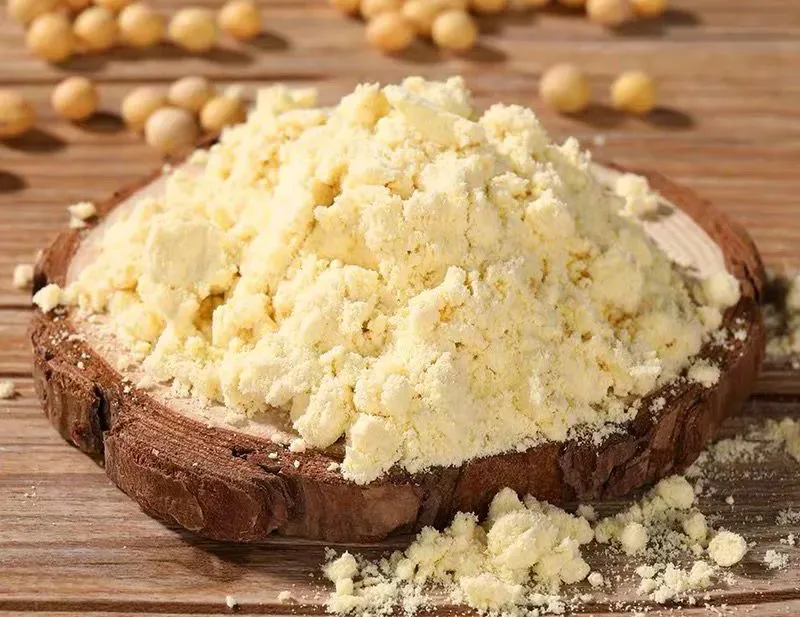
Once the ACM has transformed the flakes into a fine, uniform flour, the chemical isolation begins. This process relies on the Isoelectric Point of soy protein (pH 4.5).
1. Solubilization (Alkaline Extraction)
The fine soy flour is mixed with water in large tanks. An alkaline solution (like sodium hydroxide) is added to raise the pH to around 7.0–9.0. In this alkaline environment, the soy protein becomes highly soluble and dissolves into the water, while the insoluble fiber (soy meal) remains solid.
2. Separation
The slurry is passed through high-speed industrial centrifuges. The centrifuges spin out the insoluble fiber, leaving behind a “protein-rich liquid” (whey).
3. Precipitation (Acidification)
To “isolate” the protein from the liquid, the pH is lowered to the isoelectric point (pH 4.5) using an acid, such as hydrochloric or phosphoric acid. At this specific pH, soy protein becomes insoluble and “precipitates” out of the solution, forming solid curds.
4. Washing and Neutralization
The protein curds are washed multiple times to remove remaining sugars (oligosaccharides) and salts. The purified curd is then neutralized back to a pH of approximately 7.0 to restore its solubility and functionality.
Phase 4: Pasteurization and Spray Drying
The final protein slurry is heat-treated (pasteurized) to ensure food safety and to deactivate any remaining anti-nutritional factors (like trypsin inhibitors). Finally, it is pumped into a Spray Dryer. The liquid is atomized into a hot chamber, instantly turning into the fine, white-to-cream-colored powder known as Soy Protein Isolate.
The “Epic” Advantage in SPI Production
In the global B2B market, efficiency is measured by Protein Recovery Rate and Functional Integrity. Using high-precision equipment like the Epic Powder MJW Air Classifier Mill provides manufacturers with a competitive edge:
- Higher Yield: By achieving a finer and more consistent grind, more protein is “unlocked” from the cellular structure of the soy flake, allowing the alkaline solvent to extract more protein in less time.
- Energy Efficiency: Modern ACMs are designed for high-capacity throughput (ranging from 500kg/h to several tons per hour) with optimized power consumption.
- Contamination-Free: For food-grade SPI, the ACM can be constructed with stainless steel (304 or 316L) and features “Clean-In-Place” (CIP) designs to meet strict HACCP and FDA standards.
Conclusion
Producing Soy Protein Isolate is a delicate balance of mechanical engineering and chemical processing. The transition from a simple soybean to a 90% protein isolate relies heavily on the initial preparation of the defatted flakes. By utilizing an Air Classifier Mill, producers ensure that the material is perfectly primed for extraction—cool, fine, and uniform.
Epic Powder (Qingdao Epic Powder Machinery Co., Ltd.) specializes in providing these critical grinding and classification solutions. Whether you are processing soy, pea, or other plant-based proteins, our MJW series mills are engineered to maximize your production quality and efficiency in the rapidly growing global protein market.

“Thanks for reading. I hope my article helps. Please leave a comment down below. You may also contact Zelda online customer representative for any further inquiries.”
— Posted by Emily Chen