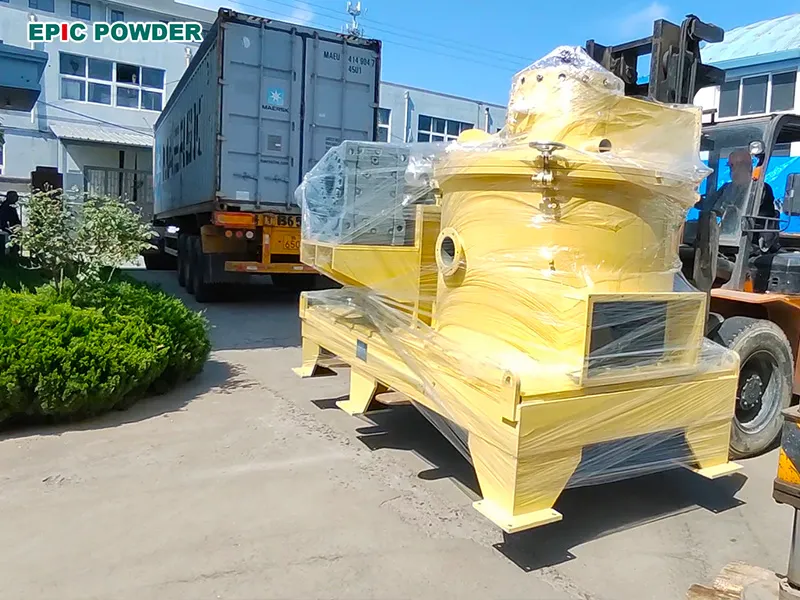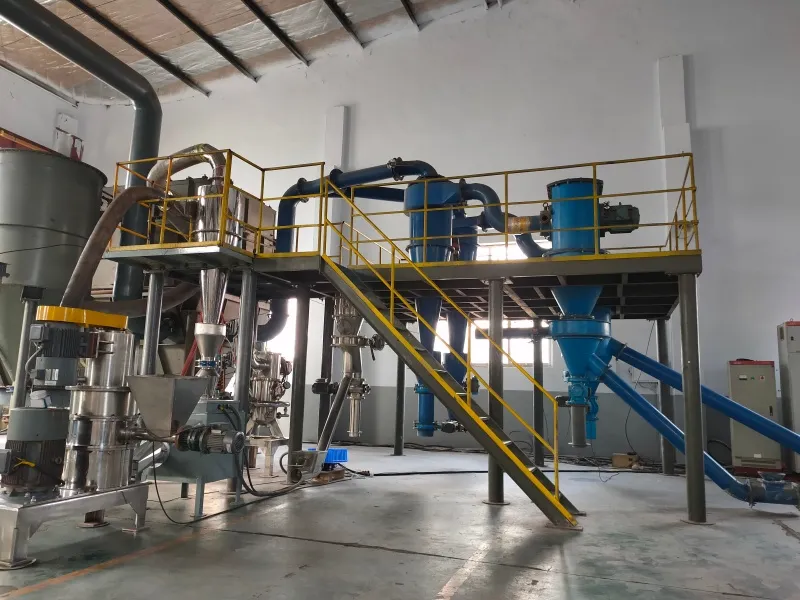
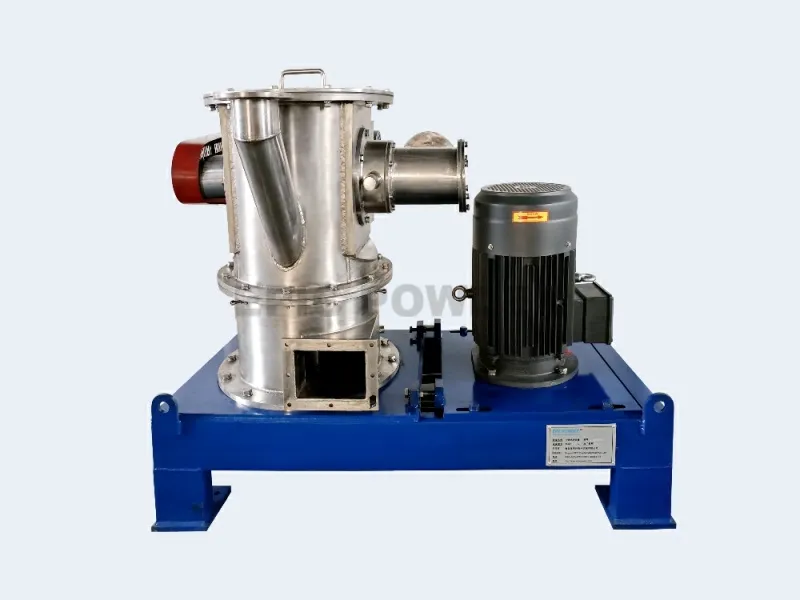
Air classifier mill MJW350

Why Air Classifying Mills (ACM) are Superior for Soy Protein Isolate Grinding ?

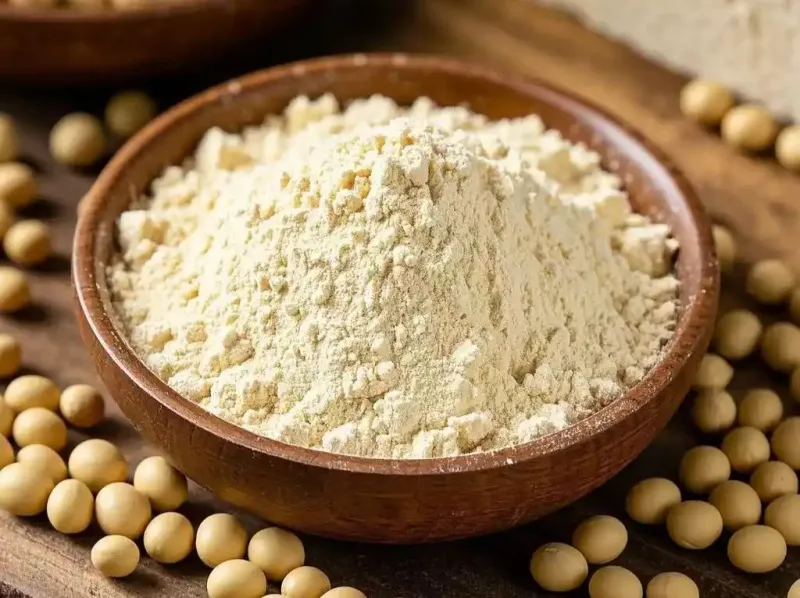
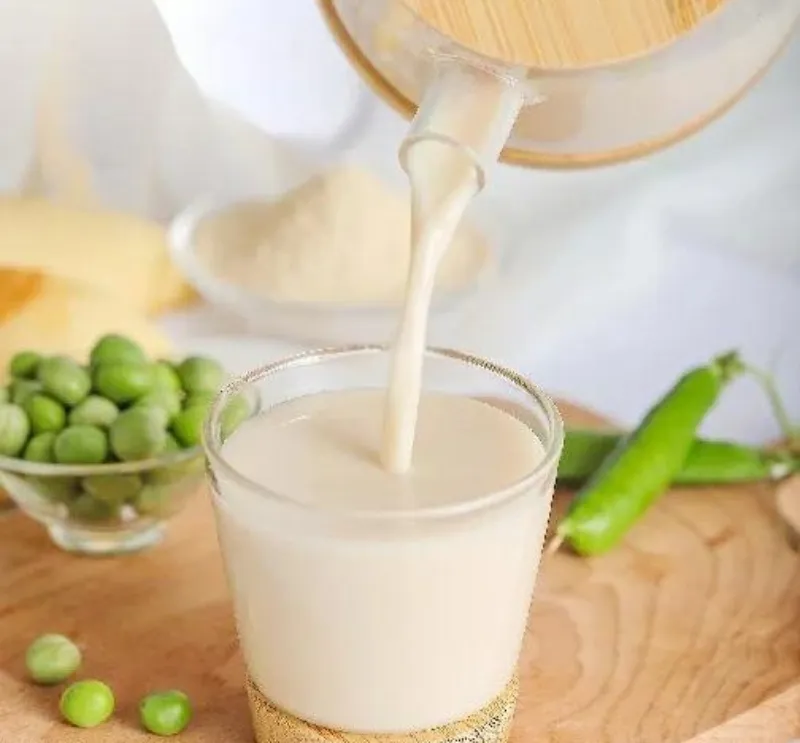
Soy protein isolate (SPI) is a highly refined plant-based protein product containing ≥90% protein on a dry basis. It is widely used in food applications such as meat analogs, nutritional beverages, infant formula, bakery products, and high-protein snacks due to its excellent emulsification, gelation, solubility, and nutritional profile (high PDCAAS score, complete amino acid profile). […]

Why Air Classifying Mills (ACM) are Superior for Soy Protein Isolate Grinding ? Read More »

Ultrafine Black Soybean Powder Grinding

How Do Air Classifier Mills Achieve the Perfect Particle Size for Ultrafine Black Soybean Powder?

With the rapid growth of plant-based proteins, functional foods, and premium instant powder products, ultrafine black soybean powder—with D90 ≤ 10 μm or even D98 ≤ 8 μm—has become a key differentiation point for many brands. To produce this level of fineness stably, efficiently, and cost-effectively, the Air Classifier Mill (ACM) has emerged as the

How Do Air Classifier Mills Achieve the Perfect Particle Size for Ultrafine Black Soybean Powder? Read More »

air classifier mill for corn flour

High-Efficiency Food-Grade Grinding Solution: Malaysian Customer Introduces Epic Powder Air Classifier Mill for Precise Corn Flour Processing (200–300 μm)

As an important food-processing hub in Southeast Asia, Malaysia enforces strict quality standards for corn flour. This Malaysian customer, a food ingredient supplier, faced the following production challenges: Efficiency requirements: While maintaining a throughput of 500–1000 kg/h, the finished product needed to be precisely controlled within the 200–300 μm range (approximately 50–80 mesh). Particle size

High-Efficiency Food-Grade Grinding Solution: Malaysian Customer Introduces Epic Powder Air Classifier Mill for Precise Corn Flour Processing (200–300 μm) Read More »

ultrafine fish meal

Can an Air Classifier Mill (ACM) Stably Achieve Ultrafine Fish Meal with D50 ≤ 50 μm?

Fish meal is a high-protein feed ingredient widely used in aquaculture and livestock feed. It offers high nutritional value, but conventional fish meal is relatively coarse (typically D50 above 100–500 μm), which limits digestibility and absorption efficiency. By applying ultrafine grinding technology to produce superfine fish meal, its digestibility, solubility, and bioavailability can be significantly

Can an Air Classifier Mill (ACM) Stably Achieve Ultrafine Fish Meal with D50 ≤ 50 μm? Read More »

ACM for ultrafine grinding of starch

How to Achieve Efficient Ultrafine Grinding of Starch Using an Air Classifier Mill ?

Starch is an important raw material for both food and industrial applications. It is widely used in pharmaceuticals, food processing, textiles, and other fields. With continuous technological advancement, requirements for starch particle fineness are becoming increasingly stringent. This trend has led to the rapid development of ultrafine grinding technology. Ultrafine grinding reduces materials to the

How to Achieve Efficient Ultrafine Grinding of Starch Using an Air Classifier Mill ? Read More »

cassava powder grinding equipment

Why Is the Air Classifier Mill the Key Technology for Achieving a “Zero Grainy Texture” in Cassava Powder?

In modern food processing, cassava powder is an important carbohydrate-based ingredient and is widely used in baking, desserts, glass noodles, mochi, taro balls, and many other products. Its distinctive chewy (Q-elastic) texture and high transparency are highly favored by consumers. However, many people notice a slight “grainy” or gritty sensation when eating cassava-based products, which

Why Is the Air Classifier Mill the Key Technology for Achieving a “Zero Grainy Texture” in Cassava Powder? Read More »

Ultrafine Grinding for Soy Protein

Ultrafine Grinding Project for Soy Protein at a Large Botanical Extraction Plant in Russia

As one of the world’s major soybean-producing countries, Russia has seen rapidly growing demand in recent years for deeply processed soybean products. The customer in this project is a large local plant protein manufacturer specializing in soy protein isolate and soy protein concentrate, produced through ultrafine grinding for soy protein and widely used in meat

Ultrafine Grinding Project for Soy Protein at a Large Botanical Extraction Plant in Russia Read More »

pea protein 1

How Does an Air Classifier Mill Solve the Problems of “Wall Adhesion” and “Temperature Rise” in Pea Protein Production?

In pea protein production—especially in dry fractionation processes—ultrafine grinding is a critical step. It is used to finely mill pea flour in order to separate protein-rich fine particles from starch-rich coarse particles. However, traditional grinding equipment often encounters two major challenges: wall adhesion and excessive temperature rise. Wall adhesion refers to material sticking to the

How Does an Air Classifier Mill Solve the Problems of “Wall Adhesion” and “Temperature Rise” in Pea Protein Production? Read More »

Ultrafine Grinding of Defatted Soybean

Why Is the Air Classifier Mill the Most Cost-Effective Choice for Ultrafine Grinding of Defatted Soybean in Large-Scale Production?

Defatted soybean meal, obtained after low-temperature desolventizing, is a key raw material for producing ultrafine soybean flour, high-protein concentrates, and functional proteins. Ultrafine grinding of defatted soybean (typically D50 < 20–50 μm, or even finer) significantly improves solubility, dispersibility, emulsification, and nutrient bioavailability, making it widely used in plant-based meat products, protein beverages, baked foods,

Why Is the Air Classifier Mill the Most Cost-Effective Choice for Ultrafine Grinding of Defatted Soybean in Large-Scale Production? Read More »

Cryogenic Grinding Plant-Based Proteins

Why Is Cryogenic Grinding Becoming the New Standard for Plant-Based Proteins?

Plant-based proteins such as pea protein, soy protein, rice protein, and fava bean protein are playing an increasingly important role in the global food and nutrition market. As demand grows for high-protein, clean-label, and functional food products, manufacturers face new challenges in processing these materials. One of the most critical challenges is how to grind

Why Is Cryogenic Grinding Becoming the New Standard for Plant-Based Proteins? Read More »

Scroll to Top