With the global rise of plant-based diets, plant proteins have evolved from niche supplements to the core of the food industry. In this movement, soy protein and pea protein stand as the two dominant “titans.” However, efficiently extracting high-purity, functional protein from raw beans remains a significant manufacturing challenge.
Pea Protein vs. Soy Protein: A Deep Dive into the Differences
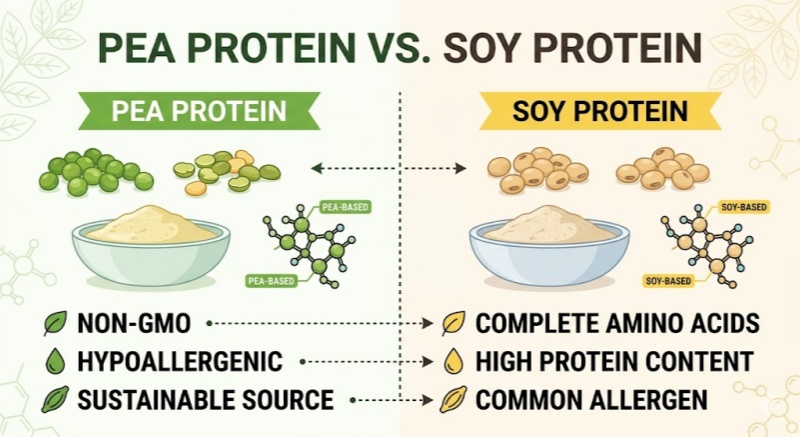
While both are high-quality plant proteins, they differ significantly in biological characteristics, nutritional value, and processing performance.
Nutritional Profiles
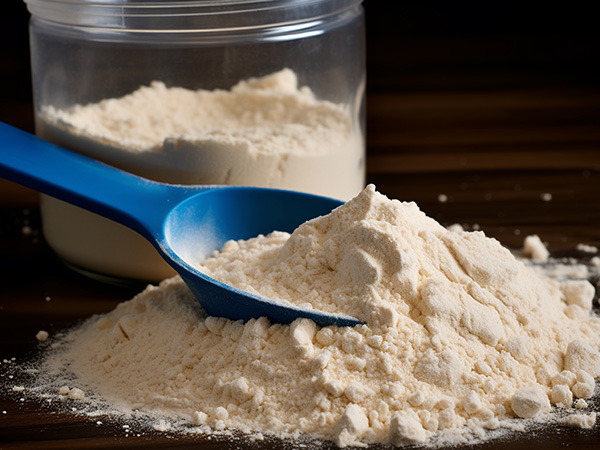
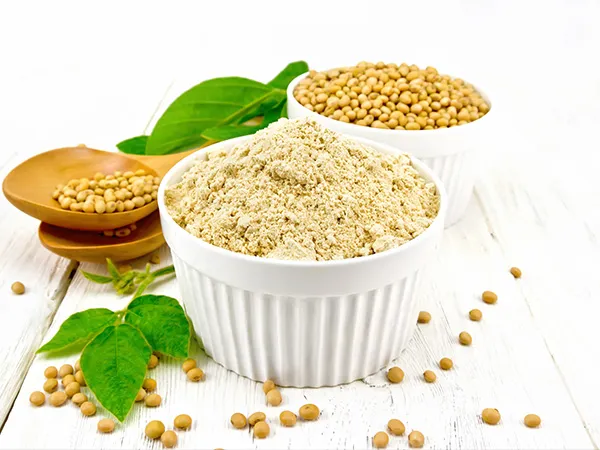
- Soy Protein: Recognized as a “complete protein,” it contains all nine essential amino acids required by the human body. It has a high protein concentration; Soy Protein Isolate (SPI) can reach levels above 90%.
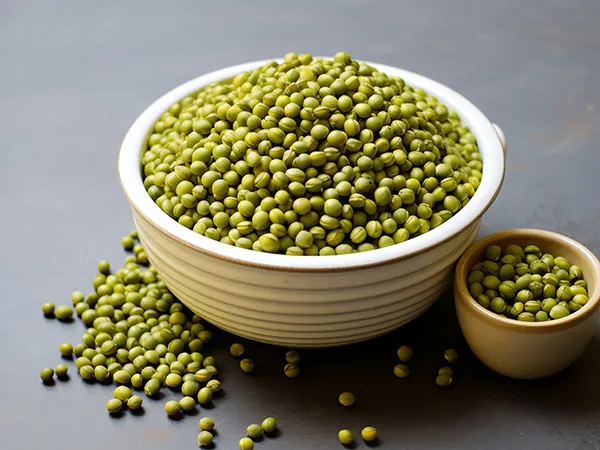
- Pea Protein: Also nearly a complete protein, though slightly lower in methionine (often balanced by blending with cereal proteins). Its greatest advantages are its Non-GMO status and hypoallergenic nature.
Allergenicity and Market Acceptance
- Soy Protein: Classified as one of the “Big Eight” common allergens, which limits its use in products for sensitive populations.
- Pea Protein: Carries almost no allergy risk and is cholesterol-free. Its neutral taste makes it a favorite for the “Clean Label” trend.
Processing Functionality
Soy protein has a traditional advantage in gelling and emulsification. However, through modern process improvements, pea protein now rivals soy in solubility and foaming. Furthermore, its viscosity is often easier to control during processing.
Core Technology: The Role of the ACM (Air Classifier Mill)
In the production of plant proteins, Dry Fractionation is becoming a popular alternative to traditional wet chemical extraction. The heart of this dry process is the Air Classifier Mill (ACM).
How the ACM Works ?
The ACM is a multi-functional system that integrates ultra-fine grinding with centrifugal classification. The process works as follows:
- Impact Grinding: Raw material (de-oiled soy flakes or pea flour) enters the grinding chamber. It is struck by high-speed rotating hammers.
- Airflow Classification: The pulverized particles are carried upward by negative pressure toward a classification wheel at the top.
- Precision Cutting: The classification wheel rotates to generate centrifugal force. Heavier starch granules are thrown back into the grinding zone or discharged. Meanwhile, lighter protein fractions pass through the wheel and move to the collection system.
Why Choose ACM for Protein Separation?
Traditional milling struggles to separate protein from starch effectively. In peas and soybeans, protein granules are embedded within a matrix surrounding larger starch granules. The ACM offers:
- Precise Particle Size Control: Protein powders usually require an average particle size (D50) of 10 – 20μm. The ACM achieves this easily by adjusting air volume and classifier speed.
- Low-Temperature Processing: Proteins are highly sensitive to heat. The ACM system uses large volumes of circulating air to dissipate heat. This prevents thermal denaturation of the protein.
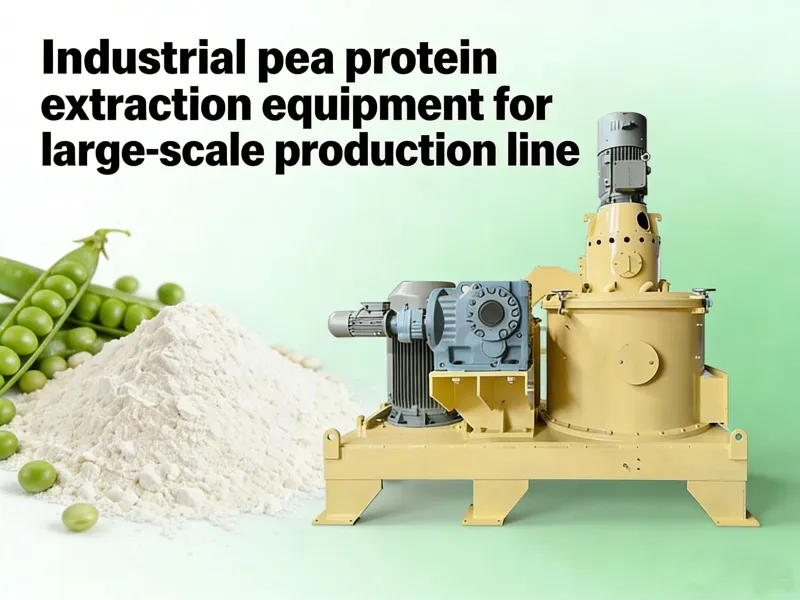
Practical Application of ACM Technology
Efficient Enrichment of Pea Protein
Peas have a high starch content (approx. 40–50%) and a protein content of about 20–25%.
- The Challenge: The protein must be released from the fibrous network without damaging the starch chains.
- The ACM Solution: The mill performs “selective grinding.” By setting specific speeds, the brittle protein matrix is pulverized first. The tougher fibers and larger starch granules remain intact, allowing for high-purity separation during the classification stage.
Ultra-fine Processing of Soy Protein
Soy protein is frequently used in meat analogues or solid beverages.
- The Demand: Manufacturers require extreme fineness (D90 < 25μm) to eliminate “grittiness” and ensure a smooth mouthfeel.
- The ACM Solution: Given the high fiber content of soybeans, the high-frequency shear force of the ACM effectively breaks down cell walls. This increases protein yield by over 15% and ensures excellent instant solubility.
Dry ACM Technology vs. Traditional Wet Extraction
| Dimension | Traditional Wet Extraction | ACM Dry Fractionation |
| Energy Consumption | Very High (requires massive heat for drying) | Low (no dehydration steps) |
| Water Usage | Massive (generates large amounts of wastewater) | Zero water consumption (Eco-friendly) |
| Protein Activity | Chemicals and heat may cause denaturation | Physical separation preserves natural activity |
| Cost | High capital investment and long process | Small footprint and low maintenance |
| Purity | Up to 90% (Isolates) | 50–65% (Concentrates) |
While the purity achieved via ACM (Protein Concentrates) is lower than wet methods (Protein Isolates), it fully preserves the natural functional properties of the protein. Additionally, production costs are reduced by approximately 40%.
Industry Outlook and Summary
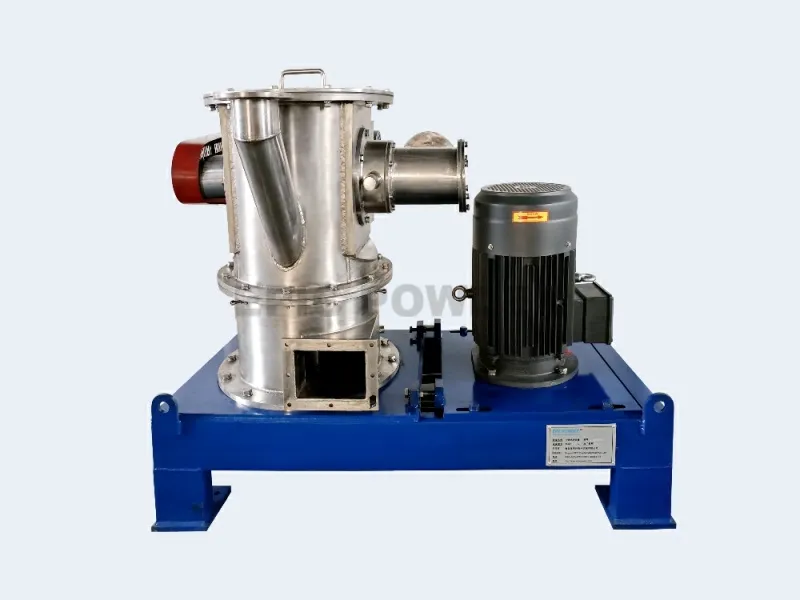
As consumers focus more on Sustainability, low-carbon production has become a competitive necessity. ACM Air Classifier Mill technology is becoming the mainstream choice for pea and soy protein processing due to its green, low-energy, and high-activity characteristics.
For companies in the high-polymer and food ingredient sectors, choosing advanced systems like those from Epic Powder is vital. These systems can precisely adjust D90 targets and maximize protein recovery through optimized internal airflow.
In the future, as classification precision improves, pure physical ACM processing will produce even higher purity proteins. This will provide superior raw materials for the global “meat alternative” and health food markets, further highlighting the unique value proposition of pea protein vs. soy protein in various dietary applications.
Final Thought: Whether you are pursuing the high gelling properties of soy or the clean label appeal of pea protein, ACM technology serves as the essential bridge between raw grains and high-value protein products.

“Thanks for reading. I hope my article helps. Please leave a comment down below. You may also contact Zelda online customer representative for any further inquiries.”
— Posted by Emily Chen