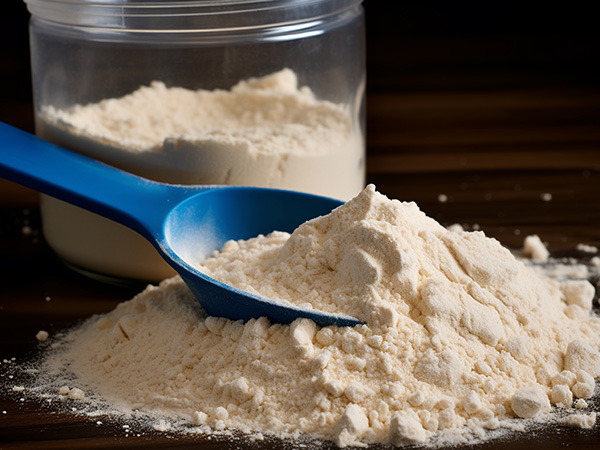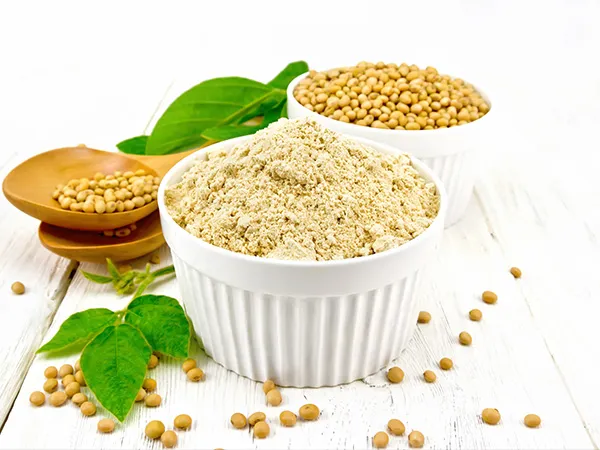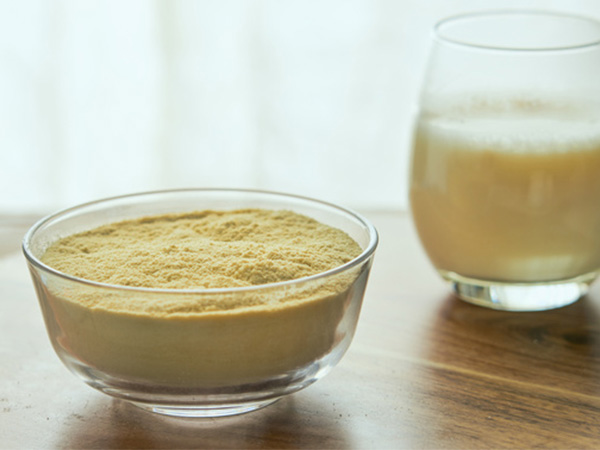
In the rapidly evolving world of functional beverages, where consumers demand high-protein, plant-based options that deliver both nutrition and an indulgent sensory experience, texture has emerged as a make-or-break factor. Ready-to-drink (RTD) protein shakes, fortified coffees, wellness smoothies, and clear protein waters must not only pack a nutritional punch but also feel luxurious on the palate—smooth, creamy, free of grittiness, and stable over shelf life. Enter high-solubility soy protein isolate (HS-SPI), a refined version of traditional soy protein isolate engineered for superior dissolution, minimal sedimentation, and exceptional control over mouthfeel.
While soy protein has long been a staple in the nutrition industry—offering a complete amino acid profile with a PDCAAS score of 1.0 comparable to animal proteins—its conventional forms often struggled in premium liquid applications due to solubility limitations at neutral pH, potential beany off-notes, and chalky textures. Advances in processing, including enzymatic modification, pH-shifting, controlled hydrolysis, and ultrafiltration techniques, have produced HS-SPI variants that overcome these hurdles, positioning it as a powerful tool for formulators aiming to create upscale, consumer-winning beverages.
Understanding High-Solubility Soy Protein Isolate
Soy protein isolate (SPI) is derived from defatted soybeans through extraction, purification, and drying, yielding a product with ≥90% protein content on a dry basis. Standard SPI exhibits variable solubility, often dipping near the isoelectric point (around pH 4.5) and improving in alkaline conditions, but neutral-pH applications (typical for many RTD drinks) posed challenges with aggregation, sedimentation, and increased viscosity.
High-solubility versions address this through targeted modifications:
- pH-shifting or mild enzymatic hydrolysis to disrupt aggregates and expose hydrophilic groups.
- Ultrafiltration/diafiltration to retain higher-molecular-weight fractions while removing insolubles.
- Controlled processing to achieve Nitrogen Solubility Index (NSI) values of 80–100% at pH 7.0–7.8.
- Optimized particle size (often 15–60 μm average) for better dispersibility.
These HS-SPI products maintain high protein purity while delivering low viscosity in solution (e.g., <500 cP at 12% concentration), excellent suspension stability (>90–99% homogeneity after hours), and reduced tendency for heat-induced aggregation during pasteurization or UHT processing.
Why Texture Matters in Premium Beverages
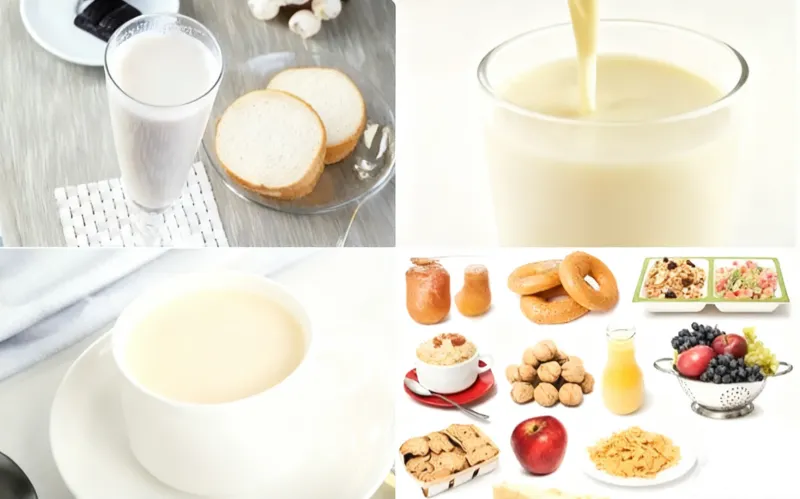
Today’s premium beverage consumers expect more than macros—they want an experience reminiscent of dairy: velvety, non-chalky, and consistent from first sip to last. Poor texture manifests as grittiness, sedimentation (visible settling), excessive thickness (pudding-like feel), or watery separation. These issues erode trust and repeat purchases.
High-solubility soy protein isolate (SPI )excels here because solubility directly influences:
- Dispersibility and hydration: Rapid, uniform wetting prevents clumps.
- Emulsification and stabilization: Strong water- and fat-binding creates creamy emulsions without stabilizers overload.
- Viscosity control: Formulators select low-viscosity HS-SPI for milk-like lightness or higher-viscosity types for smoothie richness.
- Mouthfeel enhancement: Smooth protein dispersion reduces astringency and chalkiness common in plant proteins.
In high-protein RTDs (often 10–30g protein/serving), maintaining suspension under thermal stress is critical. HS-SPI’s heat stability minimizes aggregates during UHT (e.g., 140°C/4s) or retort processing, preserving silky texture throughout shelf life.
Key Advantages of HS-SPI in Premium Beverage Formulations
- Superior Solubility and Suspension Stability
Traditional SPI might achieve only 50–70% solubility at neutral pH, leading to sedimentation in shelf-stable drinks. HS-SPI pushes this to 80–100%, enabling clear or lightly opaque beverages without visible settling. In acidic systems (pH 3–4.5, common for fruit-flavored proteins), some variants retain >90% solubility, outperforming many competitors. - Customizable Texture Profiles
Viscosity profiles vary by grade:
- Low-viscosity high-solubility soy protein isolate (HS-SPI )yields thin, milk-like drinks ideal for daily wellness shots or fortified waters.
- Medium/high-viscosity options deliver thick, indulgent shakes or smoothie textures without gums overload.
This flexibility allows brands to target segments—from light post-workout refreshers to decadent meal replacements.
- Clean Label and Processing Advantages
HS-SPI often requires fewer hydrocolloids (xanthan, gellan, carrageenan) for stability, appealing to clean-label trends. Its robust emulsification supports oil addition (MCTs, omega-3s) for fortified premium drinks without phase separation. - Flavor Compatibility
Modern HS-SPI undergoes debittering and off-note masking during processing, resulting in neutral profiles that blend seamlessly with vanilla, chocolate, berry, or coffee notes—unlike grittier alternatives. - Nutritional Edge
Complete protein with excellent digestibility supports muscle recovery claims. Combined with texture benefits, it elevates perceived quality in premium positioning.
Comparison with Other Plant Proteins
While pea protein dominates headlines for its “clean” image (non-GMO, allergen-free), high-solubility soy protein isolate (HS-SPI )often outperforms in functional metrics for beverages:
- Solubility: Soy isolates generally show higher neutral-pH solubility and heat stability than pea (which can age-thicken post-UHT).
- Texture: Pea often imparts grittier, chalkier mouthfeel unless heavily processed; soy delivers smoother, creamier results.
- Cost and Efficiency: Soy remains more economical and easier to formulate at high protein levels without extensive stabilizers.
- Flavor: Advances have neutralized soy’s beany notes, matching or exceeding pea in many blind tests.
For premium brands prioritizing indulgent texture over strict “pea-only” marketing, HS-SPI frequently wins.
Real-World Applications and Formulation Insights
- High-Protein RTD Shakes: 20–30g protein/serving with creamy mouthfeel via medium-viscosity high-solubility soy protein isolate (HS-SPI) + minimal stabilizers.
- Clear Protein Waters: Low-viscosity, high-solubility grades for transparent, refreshing formats.
- Functional Coffees/Lattes: Emulsification holds foam and prevents separation in plant-based milks.
- Acidified Fruit Beverages: Stable in low-pH systems for tropical or berry-forward SKUs.
Formulation tips:
- Pre-hydrate HS-SPI under shear for optimal dispersion.
- Combine with pH adjusters (citrate) and mild heat for best solubility.
- Use flavor maskers synergistically for ultra-clean taste.
- Target 4–8% protein concentration initially, scaling based on desired viscosity.
Challenges and the Road Ahead
Despite advantages, HS-SPI faces hurdles: allergen labeling (soy), GMO perceptions (though non-GMO options abound), and competition from emerging proteins. Ongoing R&D focuses on hybrid blends (soy-pea) and further flavor optimization.
Yet, as premium beverages trend toward higher protein (25g+), better-for-you indulgence, and clean textures, HS-SPI’s proven performance makes it a cornerstone ingredient.
Conclusion
As the plant-based protein space matures, HS-SPI stands out not as a relic of the past, but as a refined, future-ready solution for the next generation of premium, texture-obsessed drinks. Whether you’re launching a silky post-gym shake or an elegant high-protein latte, this versatile isolate may well be the secret to unlocking that perfect, crave-worthy sip.
Is high-solubility soy protein isolate the key to premium beverage texture? For many formulators and brands, the answer is a resounding yes. Its unmatched combination of solubility, stability, customizable mouthfeel, and nutritional completeness enables drinks that feel luxurious while delivering on health promises. In a market where consumers sip with their eyes, nose, and palate, HS-SPI helps create beverages that don’t just nourish—they delight.

“Thanks for reading. I hope my article helps. Please leave a comment down below. You may also contact Zelda online customer representative for any further inquiries.”
— Posted by Emily Chen