In recent years, soy protein isolate (SPI) has emerged as one of the most prominent plant-based protein sources globally, particularly in emerging markets such as India, China, Southeast Asia, Latin America, and parts of Africa. This shift is not merely a dietary trend but a strategic response to pressing economic, environmental, nutritional, and technological factors. As populations in these regions grow rapidly, urbanize, and experience rising disposable incomes, the demand for affordable, high-quality protein has surged. Traditional animal proteins—beef, pork, poultry, and dairy—face increasing challenges in scalability, cost, and sustainability, paving the way for soy protein isolate to fill the gap.
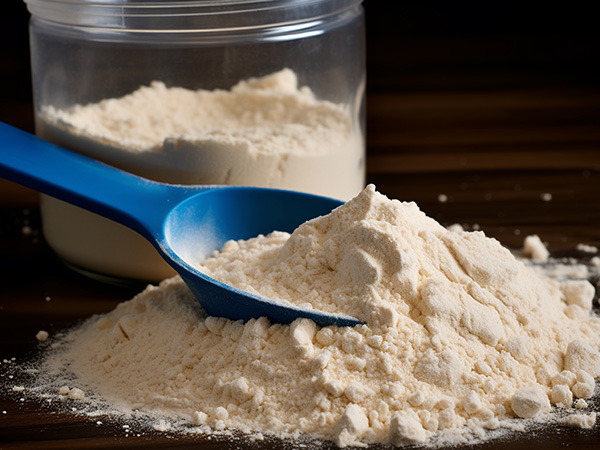
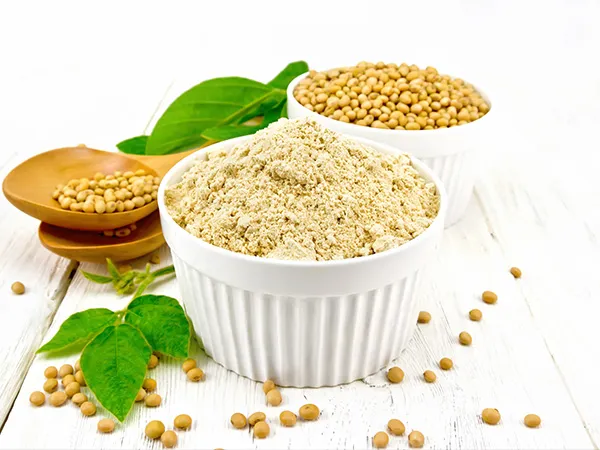
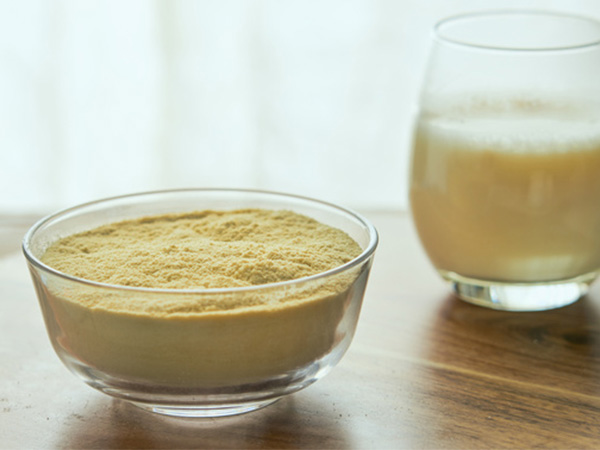
Soy protein isolate is a highly refined form of soy protein, typically containing over 90% protein on a dry basis. It is produced by extracting protein from defatted soybean meal through processes involving aqueous extraction, precipitation, washing, and drying. The result is a versatile, neutral-tasting powder that excels in functionality: excellent emulsification, water-holding capacity, gel formation, and texture mimicry. These properties make SPI ideal for replacing animal proteins in meat analogs, dairy alternatives, baked goods, sports nutrition, and fortified foods.
Several key drivers explain why SPI is rapidly replacing animal protein in emerging markets.
Cost-Effectiveness and Affordability
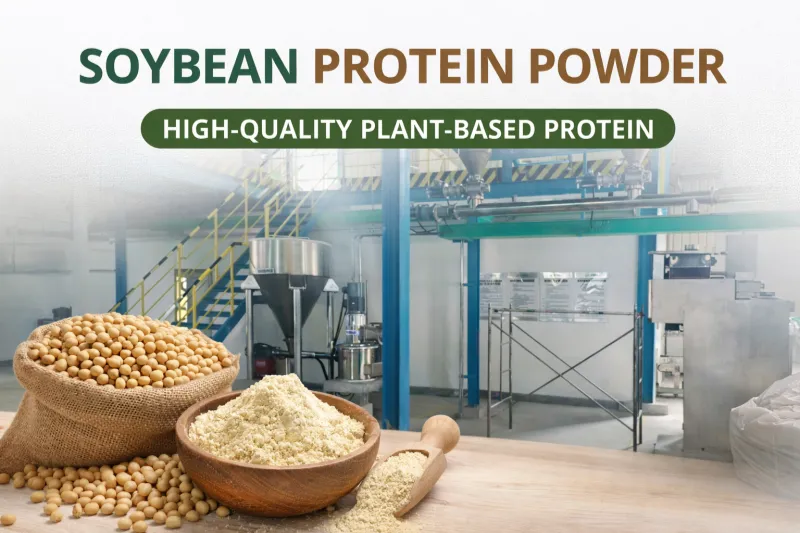
In emerging economies, a large portion of the population has limited purchasing power. Animal proteins remain expensive due to high production costs, intensive feed requirements, and import dependencies.
Soybeans, however, are abundantly produced or imported at scale in countries like China (the world’s largest soybean importer) and India. SPI production leverages this raw material abundance. As a result, SPI often costs 50–70% less per gram of protein than equivalent animal sources.
Market analyses indicate that in regions with large vegetarian or flexitarian populations, such as India, SPI enables affordable protein fortification. It is commonly added to staples like noodles, snacks, and beverages. This makes high-protein diets accessible to middle- and lower-income groups.
Rising Health Awareness and Lifestyle Shifts
Urbanization and exposure to global health trends have increased awareness of non-communicable diseases. These include heart disease, diabetes, and obesity. Soy protein isolate offers a complete amino acid profile. It includes all essential amino acids and is comparable to animal proteins. In addition, it contains zero cholesterol and low saturated fat. It also provides bioactive compounds such as isoflavones, which are linked to cardiovascular health. Governments and health organizations in countries like China and India promote plant-based proteins to combat malnutrition while addressing lifestyle diseases. SPI is increasingly incorporated into functional foods, infant formulas, and sports nutrition products, appealing to younger, health-conscious consumers.
Environmental and Sustainability Pressures
Animal agriculture contributes significantly to greenhouse gas emissions. It also consumes large amounts of water, accelerates land degradation, and increases phosphorus pollution.
Many emerging markets face climate vulnerabilities and resource constraints. Shifting to plant-based proteins like SPI can dramatically reduce environmental footprints.
Studies show that replacing animal meat with soy-based alternatives can reduce phosphorus fertilizer needs by up to 81% globally. There are also substantial nutrient recirculation opportunities during SPI processing.
Countries like China aim to reduce import dependency and enhance food security. Domestic soy processing, including SPI production, is viewed as a strategic pathway toward a sustainable protein supply.
Cultural Acceptance and Versatility
Soy has deep roots in Asian cuisines. Products such as tofu, soy milk, and tempeh have long been part of traditional diets. This cultural familiarity facilitates easier adoption in markets like China, India, and Southeast Asia.
In Latin America and Africa, traditional diets are evolving. SPI’s neutral flavor and adaptability allow seamless integration into local foods. It can be used as textured vegetable protein for “meat-like” dishes or as a fortifier in porridges and staple foods.
Cultural Acceptance and Versatility
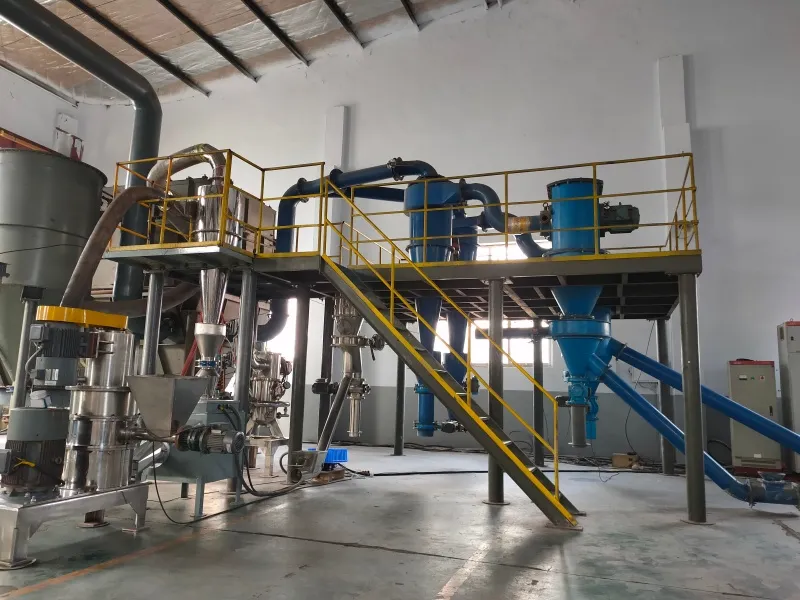
A key technological enabler in this transition is ultrafine grinding equipment. It significantly enhances the quality and functionality of soy protein isolate. As a result, SPI becomes more competitive against animal proteins. In traditional SPI production, spray-dried powders often have particle sizes around 50–200 μm. This relatively coarse size can limit solubility, dispersibility, and mouthfeel. Ultrafine grinding uses equipment such as air classifier mills (ACM), jet mills, pin mills, or contraplex wide-chamber mills. These systems reduce particle size to d50 < 10–20 μm or even to sub-micron levels. For example, D90 can reach ≤ 75 μm or 200–300 mesh.
This superfine particle size improves several critical attributes:
- Enhanced Solubility and Digestibility
Smaller particles increase surface area. This leads to faster dissolution in water or food matrices. It improves bioavailability and reduces grittiness. - Improved Functionality
Ultrafine SPI performs better in emulsification, foaming, and gel strength. This enables more realistic textures in plant-based meat analogs such as burgers and sausages. These products can more closely mimic animal-derived textures. - Better Sensory Experience
Finer powders reduce “beany” off-flavors. They also eliminate chalky textures. This significantly improves consumer acceptance in emerging markets, where taste sensitivity is high. - Nutrient Preservation
Low-temperature ultrafine grinders—such as airflow-based systems or cryogenic mills—minimize heat damage. This helps preserve heat-sensitive nutrients like isoflavones and amino acids.
Leading manufacturers employ advanced systems. These include EPIC Powder’s air classifier mills, low-temperature pin mills. These systems integrate grinding and classification into one unit. They ensure precise particle control and high throughput. In large-scale facilities in China and Russia, ultrafine grinding has become standard for premium SPI grades. These grades are widely used in meat alternatives and functional foods.
As emerging markets invest in domestic processing capabilities, ultrafine grinding equipment lowers barriers to entry for high-value SPI production. It enables local producers to compete with imports. It also helps reduce costs and tailor products to regional preferences. Together, these advantages accelerate the replacement of animal proteins.
Q&A: Common Questions About Soy Protein Isolate in Emerging Markets
Q1: Is soy protein isolate nutritionally equivalent to animal proteins, and does ultrafine grinding affect its quality?
A: Yes. SPI is one of the highest-quality plant proteins available. It has a PDCAAS (Protein Digestibility Corrected Amino Acid Score) close to 1.0. This matches or exceeds many animal protein sources. SPI provides all essential amino acids in balanced proportions. Ultrafine grinding does not degrade nutritional quality. Instead, it enhances functional performance by improving digestibility and absorption. This is achieved through increased surface area and improved processing exposure, which can reduce anti-nutritional factors. Low-temperature ultrafine methods preserve sensitive nutrients more effectively than conventional grinding. This makes SPI especially suitable for nutrient-dense applications such as school feeding programs and elderly nutrition initiatives in emerging markets.
Q2: How does ultrafine grinding equipment contribute to the economic viability of SPI replacing animal protein in cost-sensitive emerging markets?
A: Ultrafine grinding significantly boosts SPI’s market competitiveness. It enables premium applications such as smooth-textured meat analogs and instant beverages. These products can command higher prices while maintaining relatively low production costs.
Equipment such as jet mills and ACM systems delivers high yields with precise particle control. They minimize energy waste, reduce rework, and improve product consistency. In emerging markets, this technology supports localized production. It reduces reliance on imports and stimulates job creation in the food processing sector.
Finer SPI also allows manufacturers to use smaller quantities to achieve the same functionality. This lowers overall formulation costs. Consequently, plant-based products become more affordable than animal-derived equivalents. This affordability accelerates adoption among price-conscious consumers.
Conclusion
Soy protein isolate’s rise in emerging markets stems from its unbeatable combination of affordability, nutrition, sustainability, and versatility. Advances in ultrafine grinding equipment have elevated SPI from a basic ingredient to a high-performance alternative. It can now closely replicate many characteristics of animal proteins.
As emerging markets continue to urbanize and prioritize health and environmental goals, SPI—supported by advanced processing technologies—will likely play an increasingly dominant role in protein supply chains. This shift may significantly reshape global food systems toward a more sustainable future.

“Thanks for reading. I hope my article helps. Please leave a comment down below. You may also contact Zelda online customer representative for any further inquiries.”
— Posted by Emily Chen