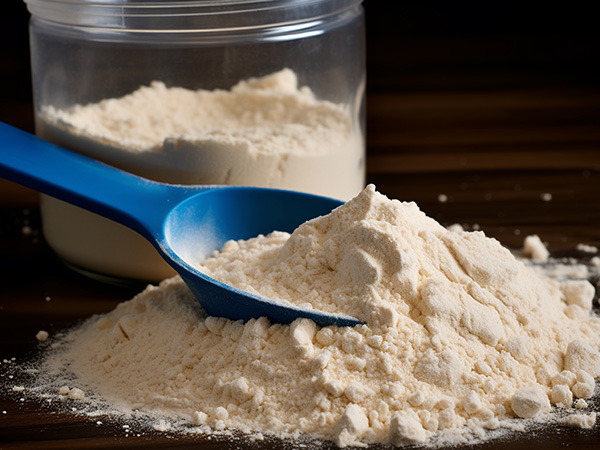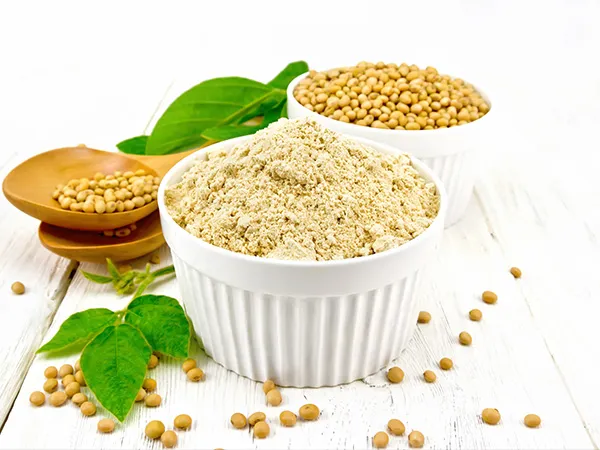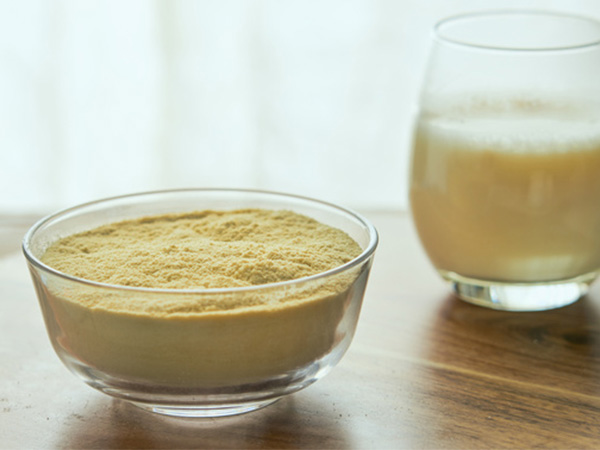
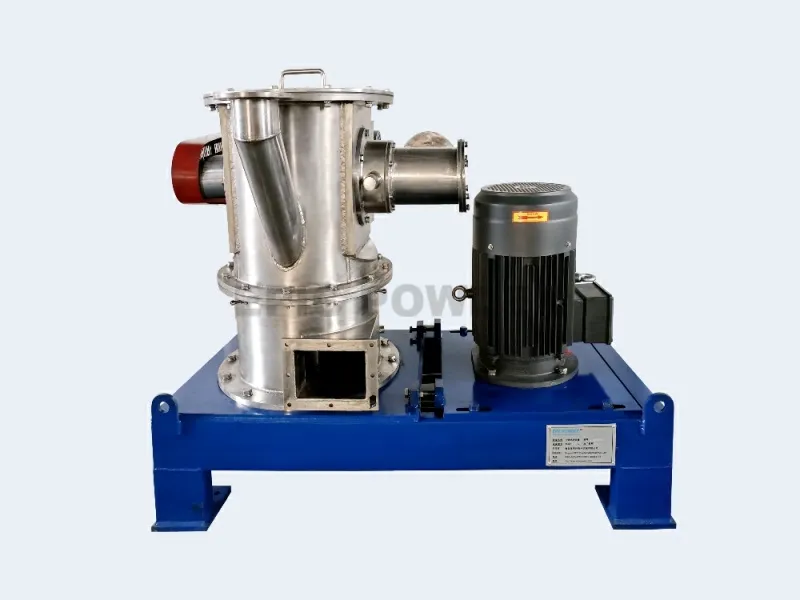
With the continuous increase in consumer demand for high-quality food, traditional soybean processing methods are facing new challenges and opportunities. As a major global source of plant-based protein, soybeans are processed into a wide variety of products. These include soy milk, tofu, soybean flour, protein concentrates, and plant-based meat. In deep processing of soybeans, the particle size, uniformity, and functional characteristics of the powder directly affect the quality and application value of the final products. Therefore, the application of food soybean fine grinding and classifying technology has become an important means to enhance the level of soybean processing and industry competitiveness.
The Significance of Fine Grinding of Soybeans
Traditional soybean grinding mainly relies on wet or dry mechanical crushing. The control over particle size is limited, and powder distribution is often uneven. This leads to variations in texture, solubility, and water retention in downstream products. For example, in soy milk production, coarse particles can affect mouthfeel. This makes the soy milk rough in texture and reduces the solubility and nutritional availability of proteins. In tofu production, overly large powder particles can impact the coagulation process. This results in a less tender texture.
Food soybean grading and fine grinding, through precise control of particle size, can optimize the uniformity and fineness of soybean powder. This significantly improves key indicators such as:
- Enhanced protein solubility: Smaller and more uniform particles have a larger specific surface area. This facilitates the full dissolution of water-soluble proteins and improves nutritional absorption.
- Improved mouthfeel and texture: Better uniformity of powder particles results in smoother soy milk, tofu, and other products. The texture is also more stable.
- Enhanced functional applications: Micro-fine soybean powder is easier to disperse in plant-based meat, protein beverages, and functional foods. This improves processability and product performance.
- Reduced processing energy consumption: Grading and fine grinding can achieve the target particle size in a single step. This reduces secondary crushing and sieving, saving energy and lowering processing costs.
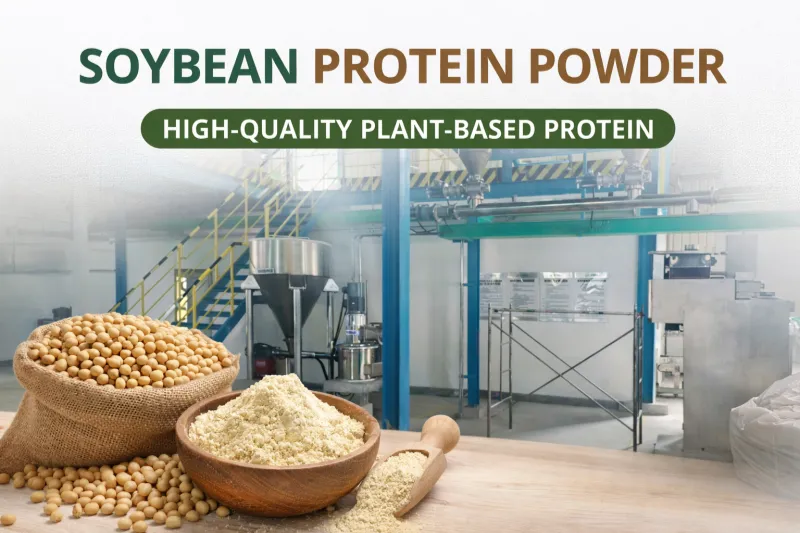
Principles of Fine Grinding and Classifying Technology
Grading and fine grinding technology is a high-precision powder processing method. It is developed on the basis of traditional grinding processes. Its core principle is the integration of grinding and particle classification within the same production system. Raw soybeans are ground to the target particle size through airflow, mechanical impact, or grinding media. High-precision classification devices then separate particles that do not meet the standard for re-grinding. This achieves highly uniform powder particle size.
Key technical features include:
- Controllable particle size distribution: Through airflow classification or mechanical classification, soybean powder can be controlled within a specific particle size range. For example, D50 can be maintained between 10–50 micrometers to meet the requirements of different food applications.
- Low-temperature grinding: For high-protein and large molecular components, most grading mills use low-temperature grinding. This prevents protein denaturation or flavor loss due to high temperatures.
- High efficiency and continuous production: Closed-loop grinding systems allow continuous production of stable powders. This enables large-scale industrial operations.
- Powder surface modification: Some advanced grading mills can perform surface treatment during grinding. This improves dispersibility, anti-caking properties, and flowability, which facilitates subsequent processing.
Applications of Fine Grinding and Classifying in Soybean Processing
- Soy milk and dairy alternatives
High-precision grinding produces soybean powder with uniform particle size. This powder dissolves quickly in water, significantly improving the mouthfeel of soy milk and reducing sedimentation. It also enhances emulsion stability. Additionally, it can replace part of dairy ingredients in plant-based milk and beverages. This increases protein content and functional properties. - Tofu and soybean products
Uniform fine powder improves the coagulation effect of tofu. This results in a smoother and more delicate texture. Furthermore, the grading and fine grinding process can optimize coagulation speed and water retention in tofu. This enhances production efficiency and product quality. - Plant protein powders and functional foods
Micro-fine soybean powder is easy to dissolve and disperse. It is suitable for protein beverages, protein bars, and functional powders. The particle size can be customized according to application needs. For example, sports nutrition powders can be controlled below 30 micrometers for rapid dissolution and smooth mouthfeel. - Plant-based meat and meat alternatives
In plant-based meat production, the particle size of protein powder significantly affects texture and fiber formation. Controlling soybean protein powder particle size through grading and fine grinding improves chewiness and water retention. This achieves a texture closer to real meat.
Upgrading the Industry through Fine Grinding and Classifying for Soybean
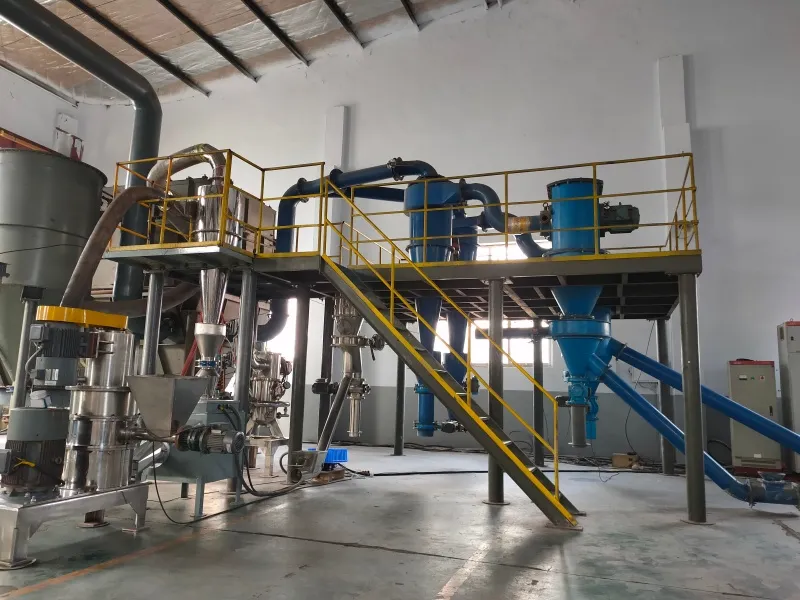
As the food industry increasingly demands high-quality protein products, soybean processing companies are actively adopting grading and fine grinding technology. This allows them to achieve industrial upgrading:
- Transition from coarse to deep processing
Previously, soybean processing focused on quantity, with low added value. Fine grinding technology significantly improves powder quality. This meets high-end market demands, such as infant foods, sports nutrition products, and plant-based dairy alternatives. - Improved production efficiency and energy savings
Closed-loop systems in grading mills can achieve one-step particle size targets. This reduces secondary sieving and rework, lowering energy consumption, and improving production stability. - Promoting product diversification and innovation
By controlling powder particle size and functional properties, deep-processing companies can develop more innovative products. These include instant soybean powder, composite plant protein powders, and low-fat, high-protein snacks. This expands market opportunities. - Enhancing value across the supply chain
High-quality soybean powder not only improves the quality of end products but also promotes standardization in upstream raw material procurement and supply chain optimization. This drives upgrades throughout the entire soybean industry chain.
Conclusion
The application of food soybean fine grinding and classifying technology marks the transformation of the soybean processing industry from traditional coarse processing to high-end fine processing. Precise control of powder particle size not only improves the texture, functionality, and solubility of deep-processed soybean products. It also provides reliable technological support for innovation in plant-based protein foods. With the continuous growth in consumer demand for healthy, nutritious, and functional foods, grading and fine grinding technology will play an increasingly critical role in soybean processing. It is becoming a key engine for empowering the upgrading of soybean processing and promoting high-quality industry development.
“Thanks for reading. I hope my article helps. Please leave a comment down below. You may also contact Zelda online customer representative for any further inquiries.”
— Posted by Emily Chen