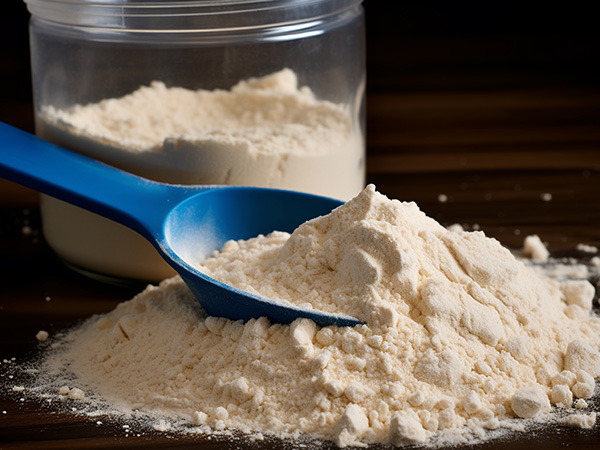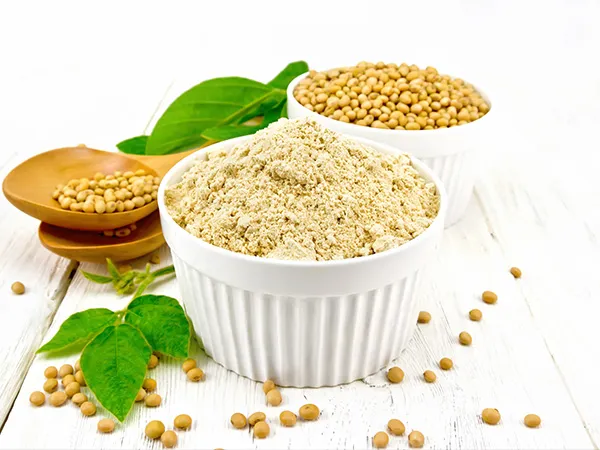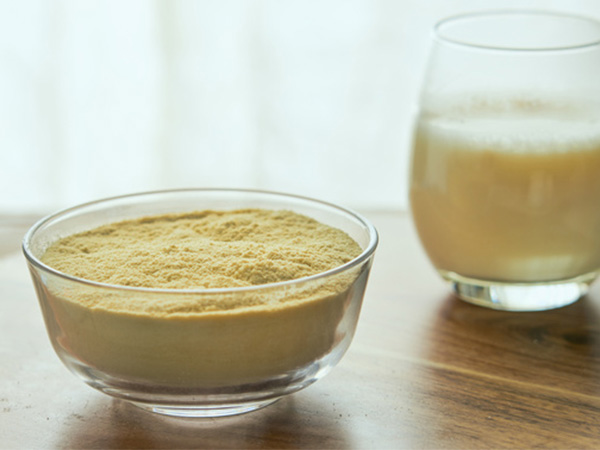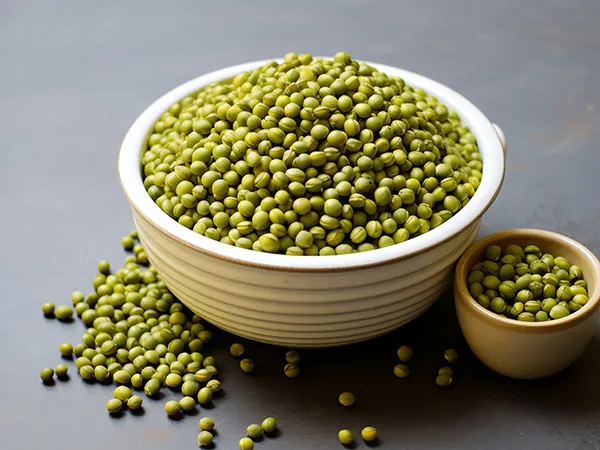
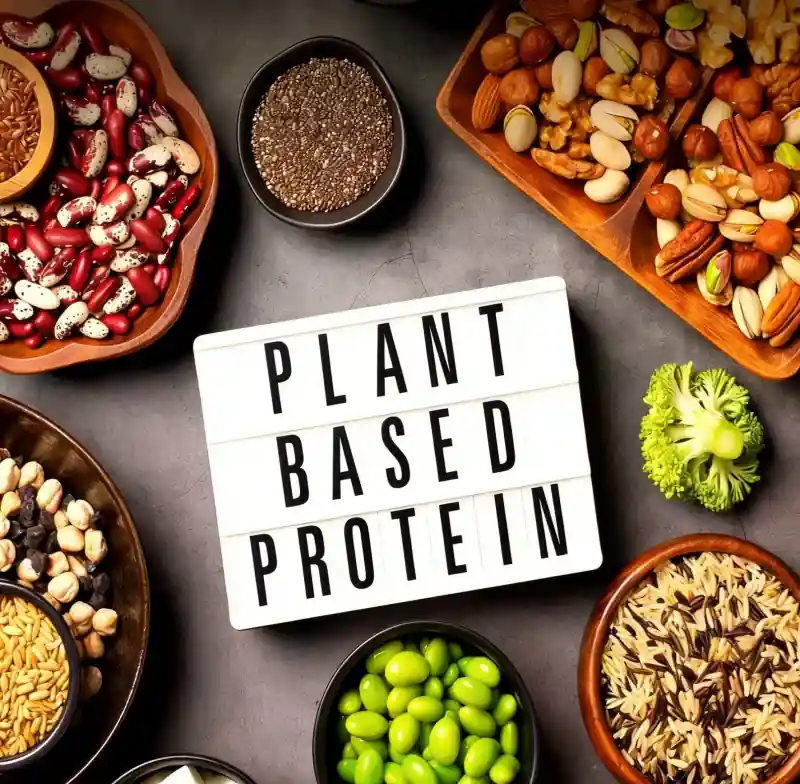
Plant-based proteins such as pea protein, soy protein, rice protein, and fava bean protein are playing an increasingly important role in the global food and nutrition market. As demand grows for high-protein, clean-label, and functional food products, manufacturers face new challenges in processing these materials. One of the most critical challenges is how to grind plant-based proteins into fine, functional powders without damaging their nutritional and functional properties. Traditional grinding methods often generate heat due to mechanical friction. This heat can denature proteins, degrade amino acids, and reduce functional performance such as solubility, emulsification, and water-holding capacity. As a result, cryogenic grinding has emerged as a new industry standard for plant-based proteins processing.
What Is Cryogenic Grinding?
Cryogenic grinding is a process in which materials are cooled to extremely low temperatures using liquid nitrogen or carbon dioxide before and during grinding. At these temperatures, plant-based protein materials become brittle rather than elastic or sticky, allowing them to fracture cleanly under mechanical impact.
By maintaining processing temperatures well below ambient conditions, cryogenic grinding minimizes thermal and oxidative damage. This enables the production of fine, uniform protein powders while preserving nutritional quality and functional characteristics.
Key Advantages of Cryogenic Grinding for Plant-Based Proteins
1. Preservation of Protein Structure and Function
Proteins are highly sensitive to heat. Excessive temperature during conventional milling can cause partial denaturation, leading to reduced solubility and poor functional performance. Cryogenic grinding keeps temperatures low throughout the process, effectively preserving the native protein structure and maintaining functional properties such as emulsification, foaming, and gel formation.
2. Improved Powder Flowability and Uniform Particle Size
At cryogenic temperatures, plant proteins become brittle and fracture efficiently. This results in powders with a narrow particle size distribution and smooth particle surfaces. Improved particle uniformity enhances powder flowability, blending behavior, and dosing accuracy in downstream food processing.
3. Reduced Agglomeration and Stickiness
Many plant-based proteins contain residual oils, fibers, or carbohydrates that cause stickiness during ambient grinding. Cryogenic grinding eliminates this problem by freezing these components, preventing smearing and agglomeration. As a result, fine powders can be produced without caking or buildup inside the mill.
4. Enhanced Flavor and Color Retention
Heat generated during traditional grinding can trigger oxidation reactions that negatively affect flavor, aroma, and color. Cryogenic grinding significantly reduces oxidative degradation, helping retain the natural taste and appearance of plant-based proteins. This is particularly important for clean-label and minimally processed food products.
5. Higher Processing Efficiency and Yield
Because materials fracture more easily at low temperatures, cryogenic grinding often requires less mechanical energy to achieve the target particle size. This leads to higher throughput, reduced wear on equipment, and improved overall production efficiency.
Applications in the Plant-Based Protein Industry
Cryogenic grinding is increasingly used across a wide range of plant-based protein applications, including:
- Meat analogs and plant-based burgers
- Protein powders for sports nutrition and dietary supplements
- Dairy alternatives such as plant-based milk and yogurt
- High-protein bakery and snack products
- Infant nutrition and medical food formulations
In these applications, consistent particle size, clean flavor, and high functionality are essential for product quality and consumer acceptance.
Future Trends and Industry Adoption
As the plant-based food market continues to expand, manufacturers are placing greater emphasis on product quality, nutritional integrity, and process sustainability. Cryogenic grinding aligns well with these goals by enabling gentle, controlled, and high-performance protein processing.
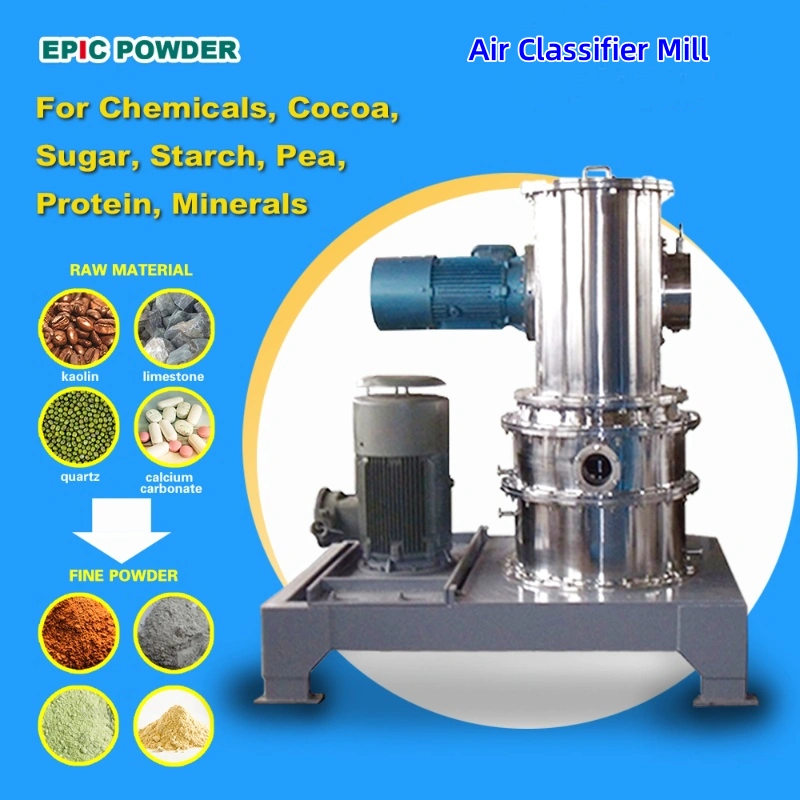
With ongoing improvements in cryogenic systems, nitrogen utilization efficiency, and integrated grinding-classification technologies, cryogenic grinding is expected to become a standard solution for high-value plant-based protein powders.
Conclusion
Cryogenic grinding is becoming the new standard for plant-based proteins processing because it overcomes the limitations of conventional grinding methods. By preserving protein structure, improving powder quality, reducing agglomeration, and enhancing flavor retention, it enables manufacturers to produce superior plant-based protein ingredients that meet modern food industry requirements.

“Thanks for reading. I hope my article helps. Please leave a comment down below. You may also contact Zelda online customer representative for any further inquiries.”
— Posted by Emily Chen