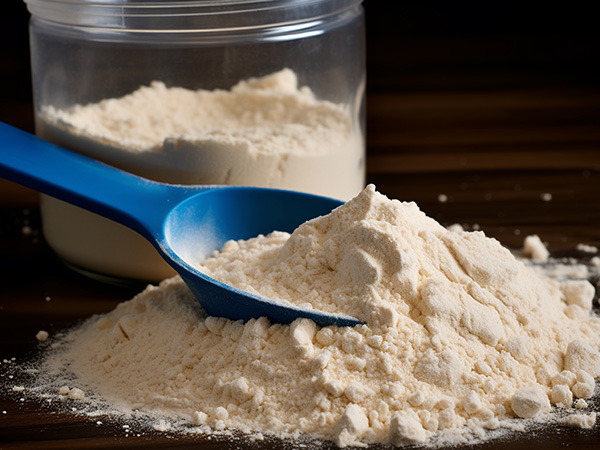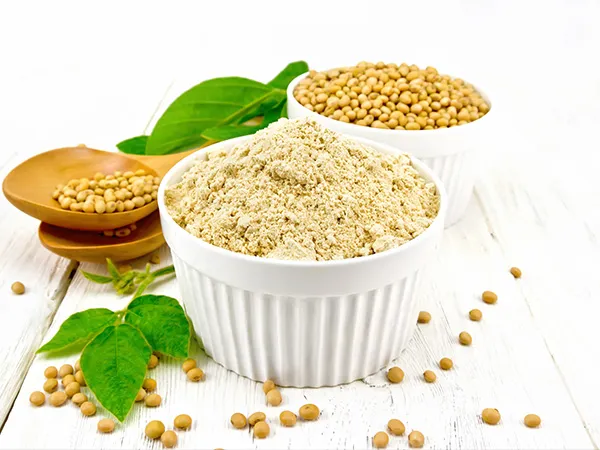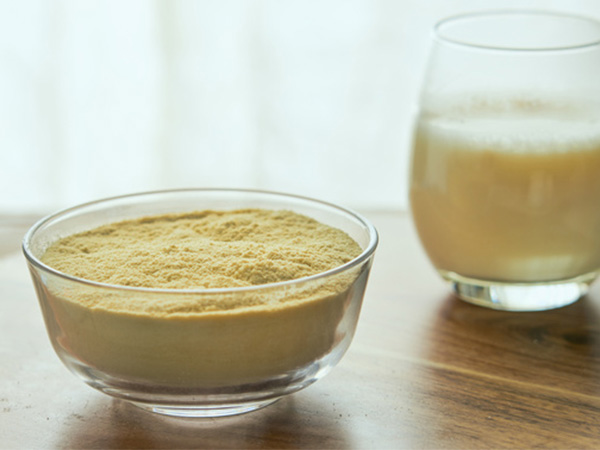
Soy protein Powder is a plant-based protein extracted from soybeans. Because of its high nutritional value and wide range of applications, it is often referred to as “plant meat” or “meat grown from the ground.” It is not only a primary protein source for vegetarians but is also widely used in the food industry, sports nutrition, and the health and wellness sector.
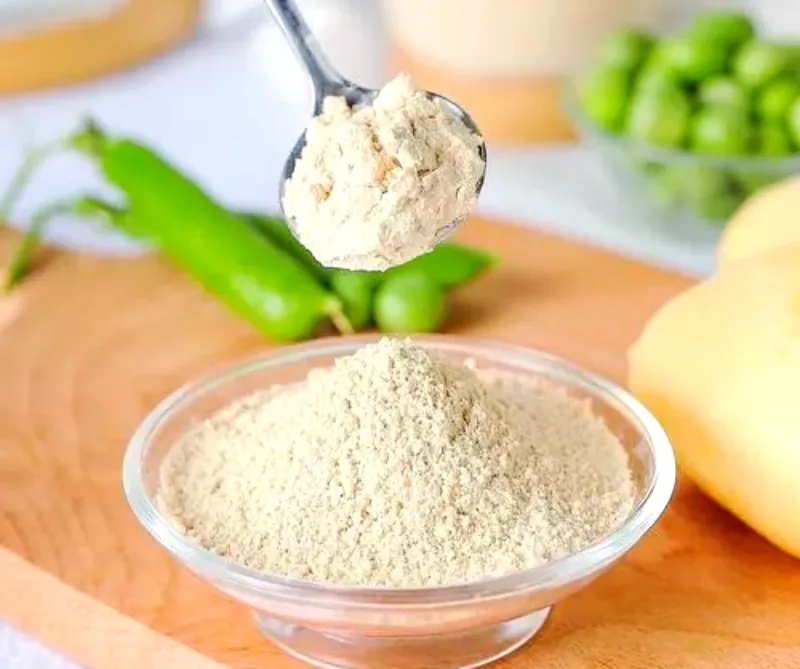
Q: What Are The Sources and Types of Soy Protein Powder?
The extraction of soy protein involves processing dehulled and defatted soybeans to remove carbohydrates and fiber, resulting in a high-purity protein product. According to protein content and processing methods, soy protein can be divided into three main categories:
| Type | Protein Content (Dry Basis) | Typical Applications | Features |
|---|---|---|---|
| Soy Protein Isolate (SPI) | ≥90% | Protein powders, meat additives, dairy alternatives | Highest purity; almost no fat or carbohydrates; excellent taste and solubility. |
| Soy Protein Concentrate (SPC) | ≥65% | Cereal bars, baked goods, meat fillings | Contains some carbohydrates (soy fiber); good water-holding and oil-absorbing capacity. |
| Textured Soy Protein (TSP) | ≈50–70% | Plant-based meats, vegan sausages, jerky | Usually made from concentrated protein; has a fibrous, meat-like structure and chewiness. |
Q: Is soy protein the only “complete” plant protein?
Soy protein has exceptionally high nutritional value because it is a complete protein.
- Amino Acid Profile:
Proteins are made of amino acids. The nine essential amino acids (including lysine, methionine, tryptophan, etc.) must be obtained from food. - High Biological Value:
Unlike most plant proteins (such as grain proteins) which lack lysine, soy protein contains all nine essential amino acids in ratios close to human requirements, giving it a high biological value—an indicator of how efficiently the body can absorb and utilize a protein. - Low Fat and Cholesterol-Free:
Soy protein naturally contains no cholesterol and has low fat content, making it an ideal alternative to animal protein.
Q: What are the health benefits of consuming soy protein?
Consuming soy protein is believed to provide several health benefits:
Cardiovascular Health
The U.S. FDA once approved a health claim stating that consuming 25 g of soy protein per day as part of a diet low in saturated fat and cholesterol may help reduce LDL (“bad”) cholesterol and lower the risk of heart disease.
Muscle Growth and Repair
Similar to whey protein, soy protein is rich in branched-chain amino acids (BCAAs), which promote muscle synthesis and recovery after exercise.
Weight Management
High-protein foods enhance satiety, helping control appetite and caloric intake—beneficial for weight management and fat loss.
Bone Health
Soy contains isoflavones, which are natural phytoestrogens that may help improve bone density, especially in menopausal women.

Q: Common Questions and Misconceptions
1. Does soy protein affect male hormones? (“Estrogen fear”)
This is a common misunderstanding. Although soy contains isoflavones that resemble estrogen in structure, these phytoestrogens are far weaker than human estrogen.
Scientific conclusion:
Numerous studies show that normal consumption of soy or soy protein powder does not reduce testosterone, increase estrogen, or impair male fertility. Only extremely high doses may show mild endocrine effects.
2. Which is better—soy protein or whey protein?
There is no absolute “better,” as both have advantages:
- Whey Protein:
Faster digestion and absorption; higher leucine content; may stimulate muscle building more acutely. - Soy Protein:
Slightly slower digestion; more sustained amino acid release; offers cardiovascular benefits and plant nutrients.
Choice: Use whey post-workout if desired; soy protein is ideal for vegetarians or those focused on heart health.
3. Is soy protein genetically modified?
A large proportion of global soybean crops are genetically modified. However, many soy protein manufacturers offer Non-GMO certified products. Consumers can check product labels to choose accordingly.
Q: How to Use Soy Protein?
Soy protein is extremely versatile:
- Daily Supplementation:
Add soy protein isolate powder to smoothies, oatmeal, or baked goods to increase protein intake. - Plant-Based Meat Alternatives:
Use textured soy protein (TSP) to make sauces, meatballs, or burgers as a substitute for meat. - Food Processing:
Used in meat products, emulsifiers, and nutritional beverages as a functional ingredient.
Q: What Grinding Equipment Is Used for Separating Soybean Protein Powder?
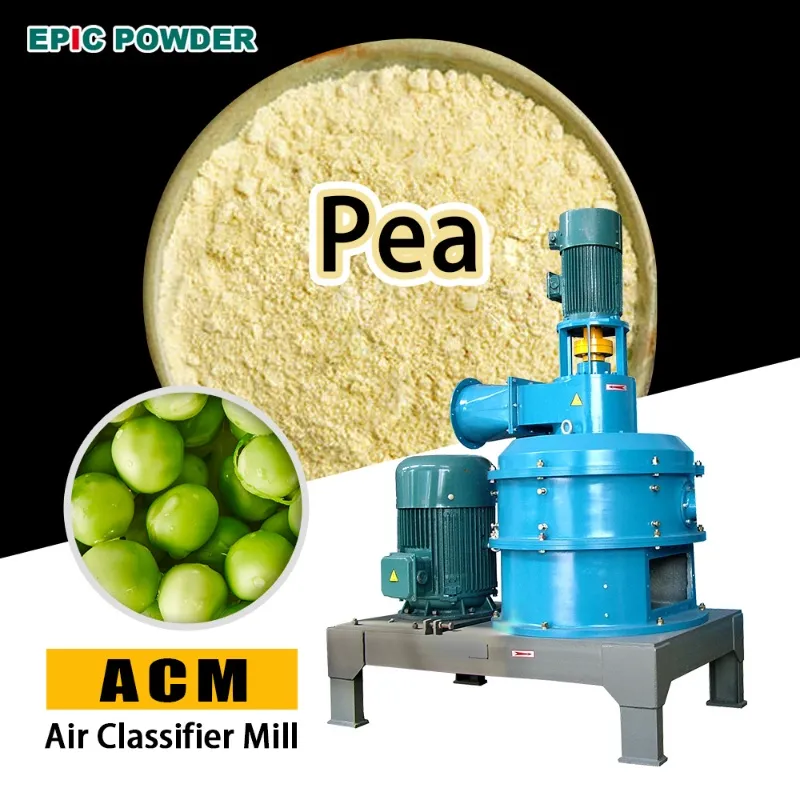
Producing high-purity soy protein—especially Soy Protein Isolate (SPI)—requires precise grinding and controlled separation of fine particles. The most widely used and most efficient equipment for this purpose is the Air Classifier Mill (ACM).
Why Air Classifier Mill Is Ideal for Soy Protein Processing?
| Feature | Benefit for Soy Protein |
|---|---|
| Integrated grinding + classification | Allows simultaneous ultrafine milling and precise separation of protein-rich fractions. |
| Low-temperature processing | Prevents protein denaturation and preserves functional properties. |
| Narrow particle size distribution | Helps achieve stable solubility, dispersibility, and consistent quality in SPI/SPC. |
| No metal contamination | Ceramic liners and wear-resistant components protect food-grade purity. |
| High efficiency for fibrous materials | Efficiently separates protein from fiber-rich soybean meal. |
Conclusion
Soy protein powder is a highly nutritious, heart-friendly, and versatile plant-based protein source. It provides complete amino acids, supports muscle health, promotes satiety, and is suitable for a wide range of dietary needs—from vegetarians to fitness enthusiasts.

“Thanks for reading. I hope my article helps. Please leave a comment down below. You may also contact Zelda online customer representative for any further inquiries.”
— Posted by Emily Chen