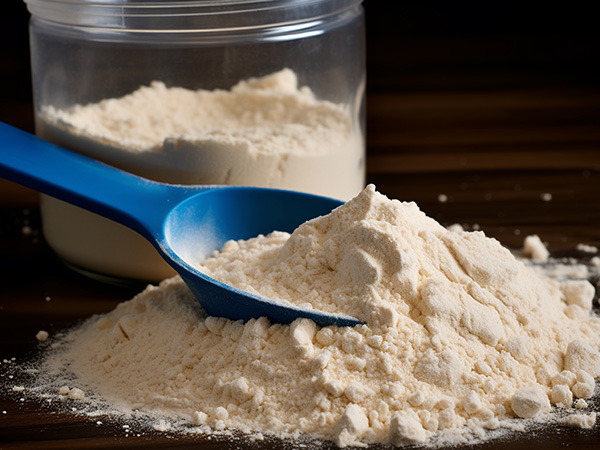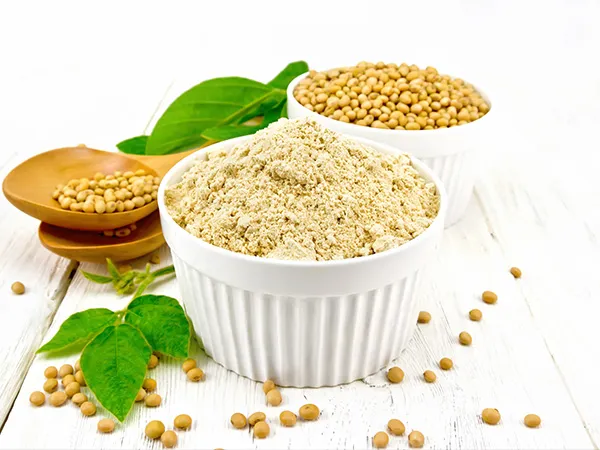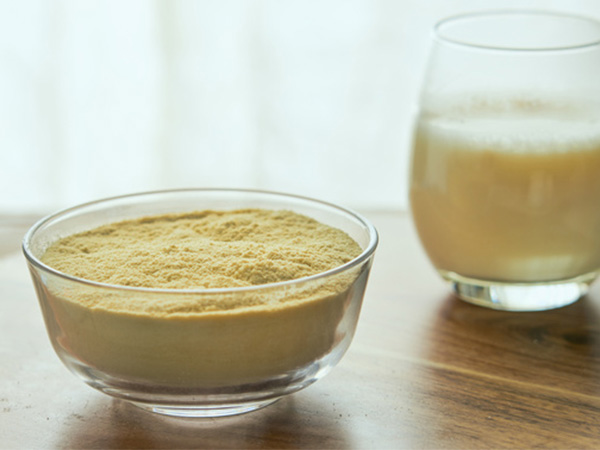
By 2025, pea protein isolate (PPI) has become the dominant ingredient in the plant-protein market. With a protein content of 85–90%, a smooth mouthfeel, and almost no beany flavor, PPI is highly favored by vegans, athletes, and individuals with allergies.
However, few people realize that the true “hero behind the scenes” that transformed pea protein from simply “edible” into “high-quality + great taste” is the Air Classifier Mill (ACM).
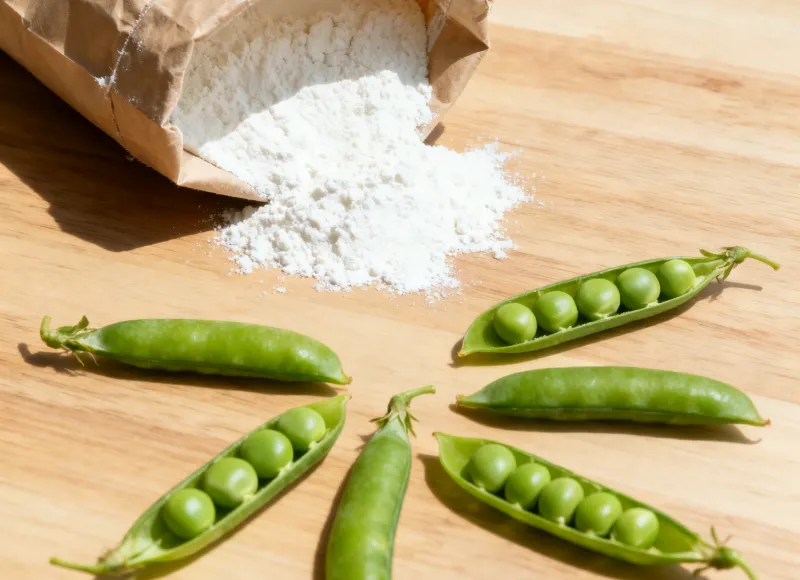
Complete Production Process of Pea Protein Isolate
Modern production has shifted from traditional wet processing to “dry processing + minimal water assistance,” dramatically reducing energy use and wastewater.
A typical process includes:
Cleaning and Dehulling
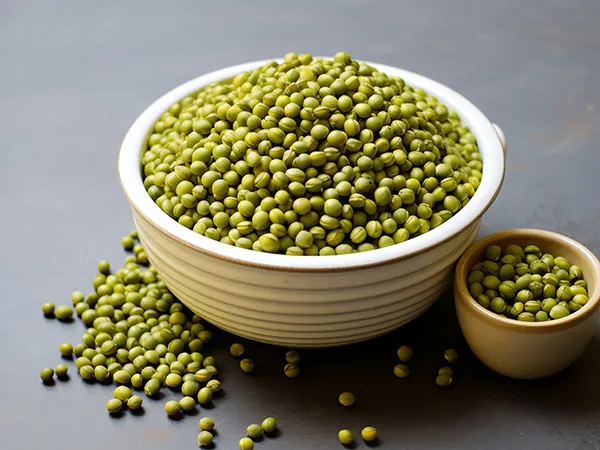
High-quality yellow split peas (from Canada or France) are cleaned, dehulled, and peeled.
Primary Grinding (Coarse Milling)
A hammer mill or pin mill reduces the peas to 100–300 μm coarse powder.
Air Classifier Mill (Dry Protein Enrichment) — The Core Step
This is where the Air Classifier Mill performs its magic.
The coarse powder enters the ACM, where:
- The high-speed rotor (tip speed 120–150 m/s) disperses particles
- Strong airflow (2,000–5,000 m³/h) separates lighter protein particles from heavier starch particles
Process:
- Light fraction (protein + fine fiber) rises toward the classifier wheel
- Heavy fraction (starch) settles and is collected
By adjusting the classifier wheel speed (3,000–10,000 rpm), the protein content can be increased from 22–25% to 50–65% in a single step, producing a protein concentrate intermediate.
Secondary and Tertiary Air Classifier Milling (Ultrafine Grinding & Purification)
The intermediate concentrate is fed into a finer ACM for ultrafine grinding and secondary separation.
Final results:
- Protein content increases to 85–92%
- Particle size is tightly controlled at D50 = 10–25 μm, critical for smooth mouthfeel
Instant Sterilization and Cooling
Ultra-high-temperature airflow sterilization (<3 seconds at 140–160°C) ensures microbial safety without damaging protein structure.
Packaging
Nitrogen-filled packaging:
- Protein ≥ 85%
- Moisture < 8%
- Absolutely no solvent residues
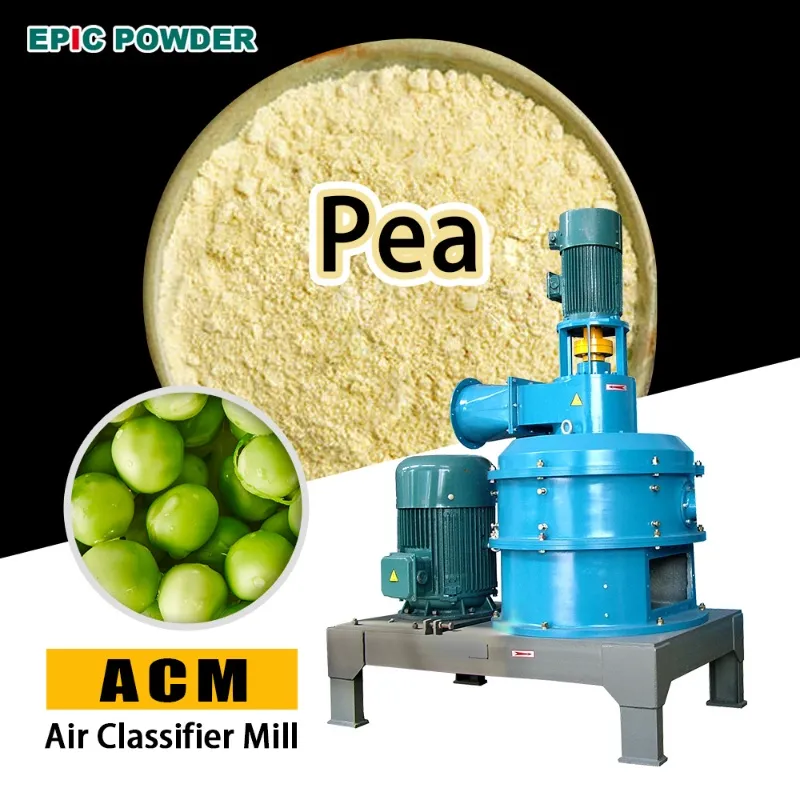
Why Is the Air Classifier Mill the Core of the Entire Production Line?
| Traditional Wet Processing | Modern ACM Dry Processing | Key Advantages |
|---|---|---|
| Requires large amounts of water and chemical precipitation | Almost no water | 99% less wastewater, 40–60% lower energy consumption |
| Protein yield 65–75% | Protein yield 85–92% | Much higher raw-material utilization |
| Slight beany flavor, coarse texture | Smooth mouthfeel, ultra-fine powder (D50 < 20 μm) | Superior taste, solubility, mixability |
| Produces odors and wastewater | Clean processing, no odors | More eco-friendly, meets EU/US organic standards |
| Higher anti-nutritional factors | Significantly reduced | Better digestibility and reduced bloating |
| Wide PSD, prone to separation | Narrow PSD (span < 1.8) | Better stability and longer shelf life |
Three Critical Roles of the Air Classifier Mill in PPI Production
Efficient Physical Separation of Protein and Starch
Protein particles are lighter and more elongated than starch granules.
The ACM uses differences in centrifugal force and drag force to separate them with high precision—replacing traditional chemical precipitation.
Ultrafine Grinding + Real-Time Classification
Grinding and classification occur simultaneously.
Particles continue circulating inside the mill until they meet the required size.
Benefits:
- Prevents over-grinding or under-grinding
- Achieves D90 < 40 μm easily
- Ensures a smooth, creamy texture instead of a gritty mouthfeel
Low-Temperature Processing Preserves Functional Properties
The entire process is cooled by airflow, keeping material temperature < 60°C.
Advantages:
- No protein denaturation
- Essential amino acids (leucine, lysine, etc.) remain intact
- Higher iodine value and improved PDCAAS score
Concentrate vs. Isolate vs. Hydrolysate
| Type | Protein Content | Processing Level | Primary Uses |
|---|---|---|---|
| Pea Protein Concentrate (70–85%) | Moderate | Retains some fiber/starch | Shakes, bakery products, daily nutrition |
| Pea Protein Isolate (85–90%+) | High | Highly purified | Muscle gain, fat loss, weight management |
| Pea Protein Hydrolysate | Varies | Enzyme-predigested into peptides | Fast post-workout recovery, sports performance |
If you want high protein with minimal carbs and fiber—choose isolate.
Conclusion
Pea protein isolate production has fully transitioned from the “wet-processing era” to the Air Classifier Mill dry-processing era.
This multifunctional machine—integrating grinding, classifying, separating, and drying—enables:
- Protein content >90%
- Ultra-smooth texture (D50 < 20 μm)
- Almost zero beany flavor
- More sustainable and lower-cost production
- Higher digestibility and reduced gastrointestinal discomfort
So, the next time you enjoy a silky, non-bloating, high-protein pea shake, take a moment to appreciate the Air Classifier Mill spinning at high speed behind the scenes—it’s the technology that transforms simple peas into premium plant protein.

“Thanks for reading. I hope my article helps. Please leave a comment down below. You may also contact Zelda online customer representative for any further inquiries.”
— Posted by Emily Chen